
Islands
Midnight sun over the Lofoten, the highest summit of any Scottish island, the needles Monet painted off Belle-Île and islands without cars: islands worth the crossing.
- 7 places
- 3 countries
Isle of Skye : Diliff, CC BY-SA · Fuerteventura : H. Zell, CC BY-SA · Ibiza : Gerda Arendt, CC0 · Lanzarote : Lviatour, CC BY-SA
Islands to visit: how you get there, how long to stay and what the rules are
This page gathers the islands with a page on the site: 7 islands in 3 countries, from Bréhat, ten minutes by boat from Brittany, to the Lofoten, 101 mi of road over bridges and undersea tunnels north of the Arctic Circle. Each page gives crossings, fares, car rules, camping rules and the months to avoid, read at the operator.
Read more
Use it to choose. The text below sorts the islands by the way you reach them, bridge, short crossing or hydrofoil, compares them in a table, says where cars stay on the mainland, when each island fills up and where a tent is allowed. Filter the grid by country, or open the map to start from your port of departure.
All islands
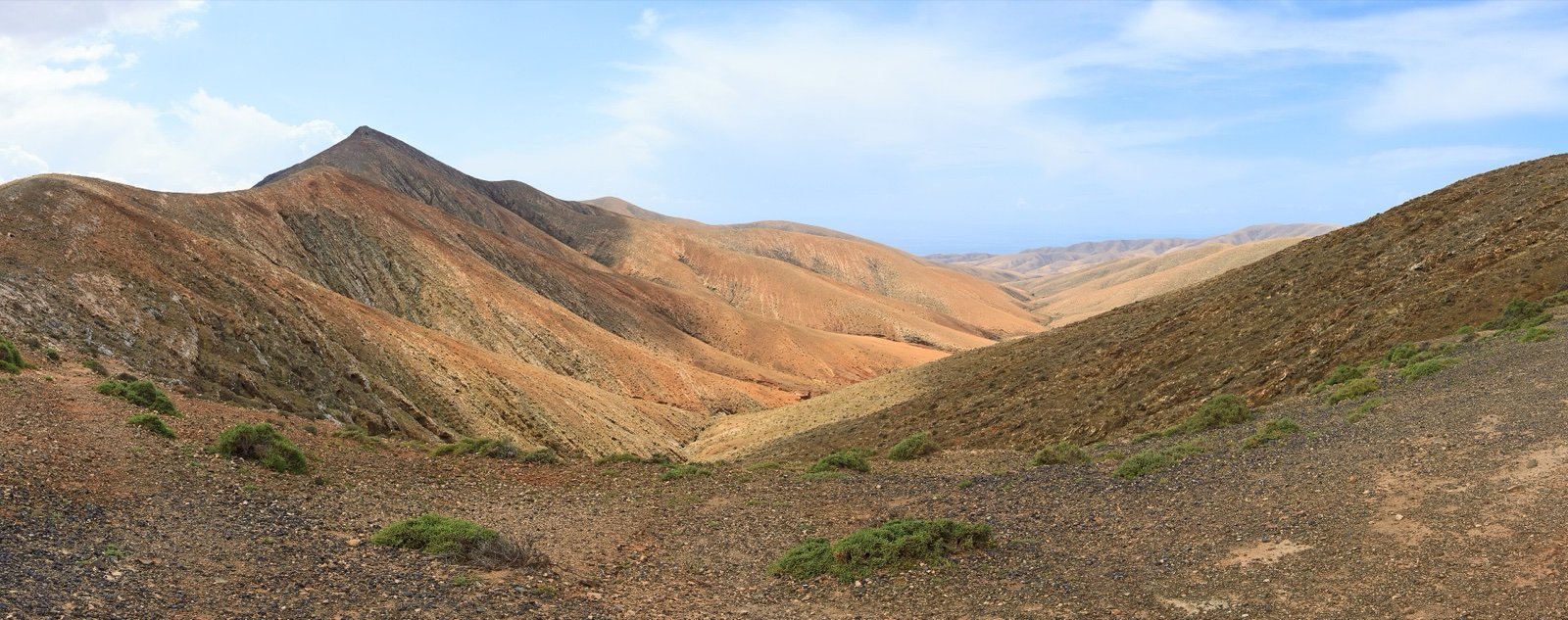
Fuerteventura
The oldest Canary Island, shaped by over 20 million years of volcanic activity.SpainIsland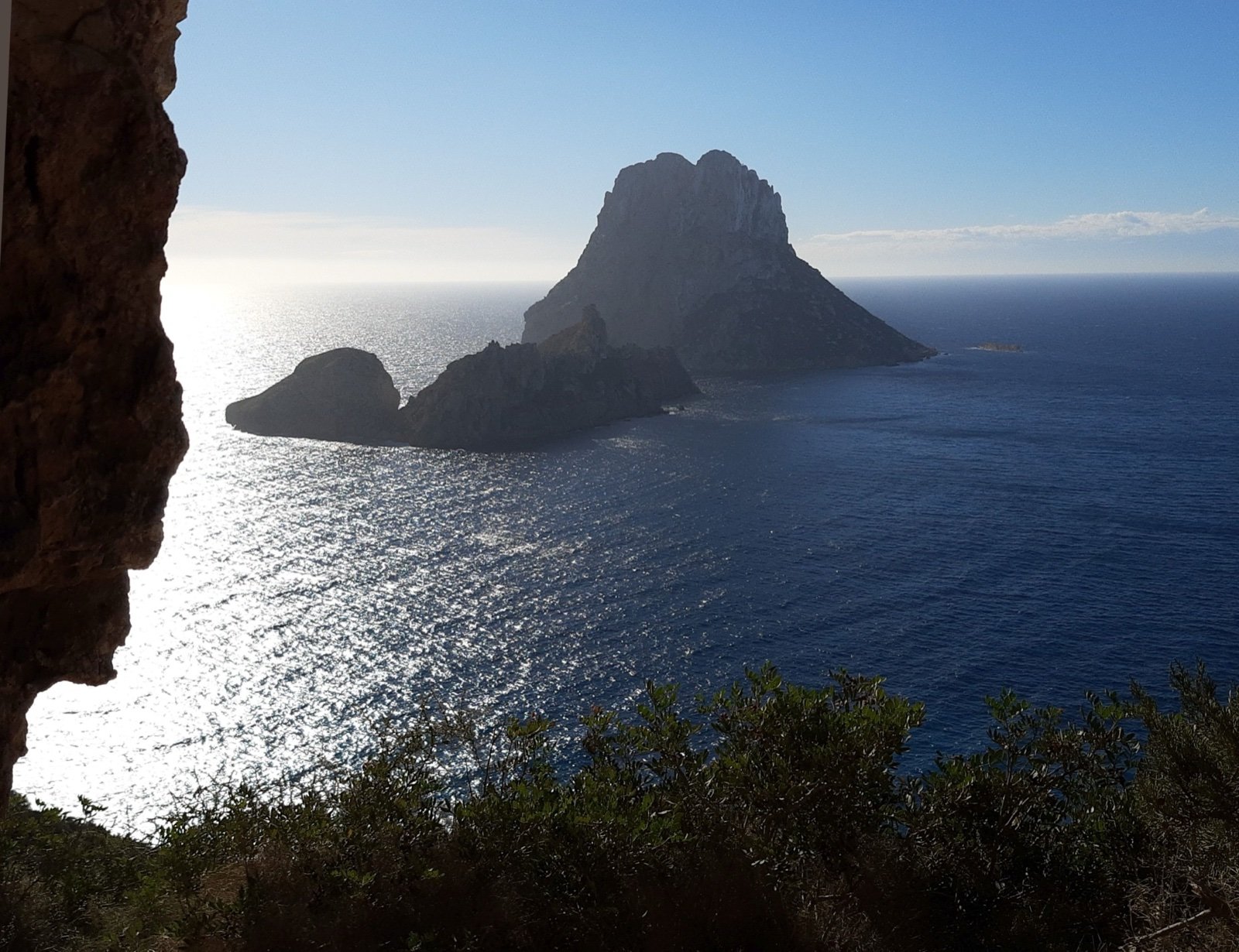
Ibiza
Posidonia meadows have been on the UNESCO World Heritage List since 1999.SpainIsland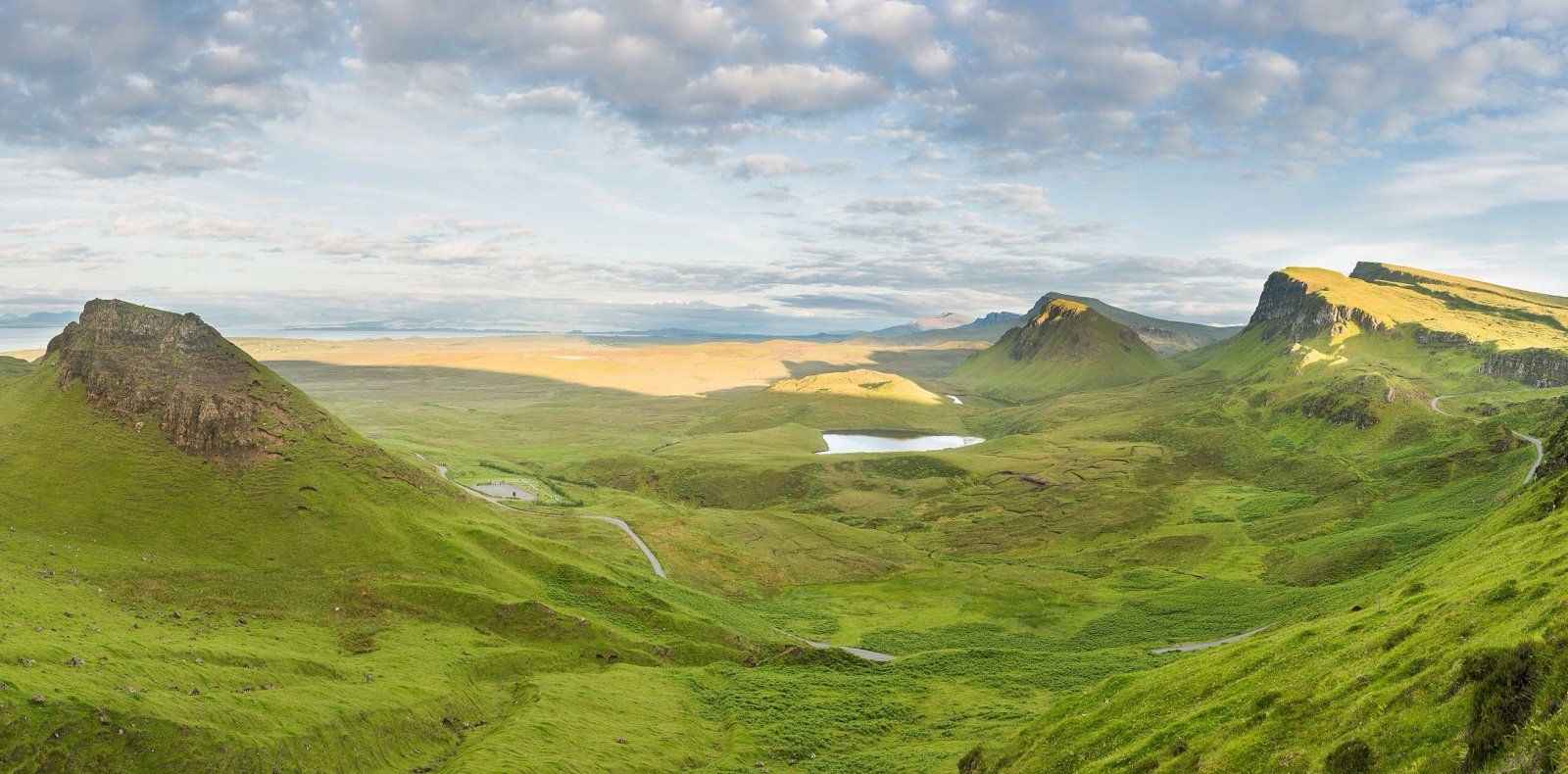
Isle of Skye
3,255 ft: Sgùrr Alasdair, the highest summit of any Scottish island.United KingdomIsland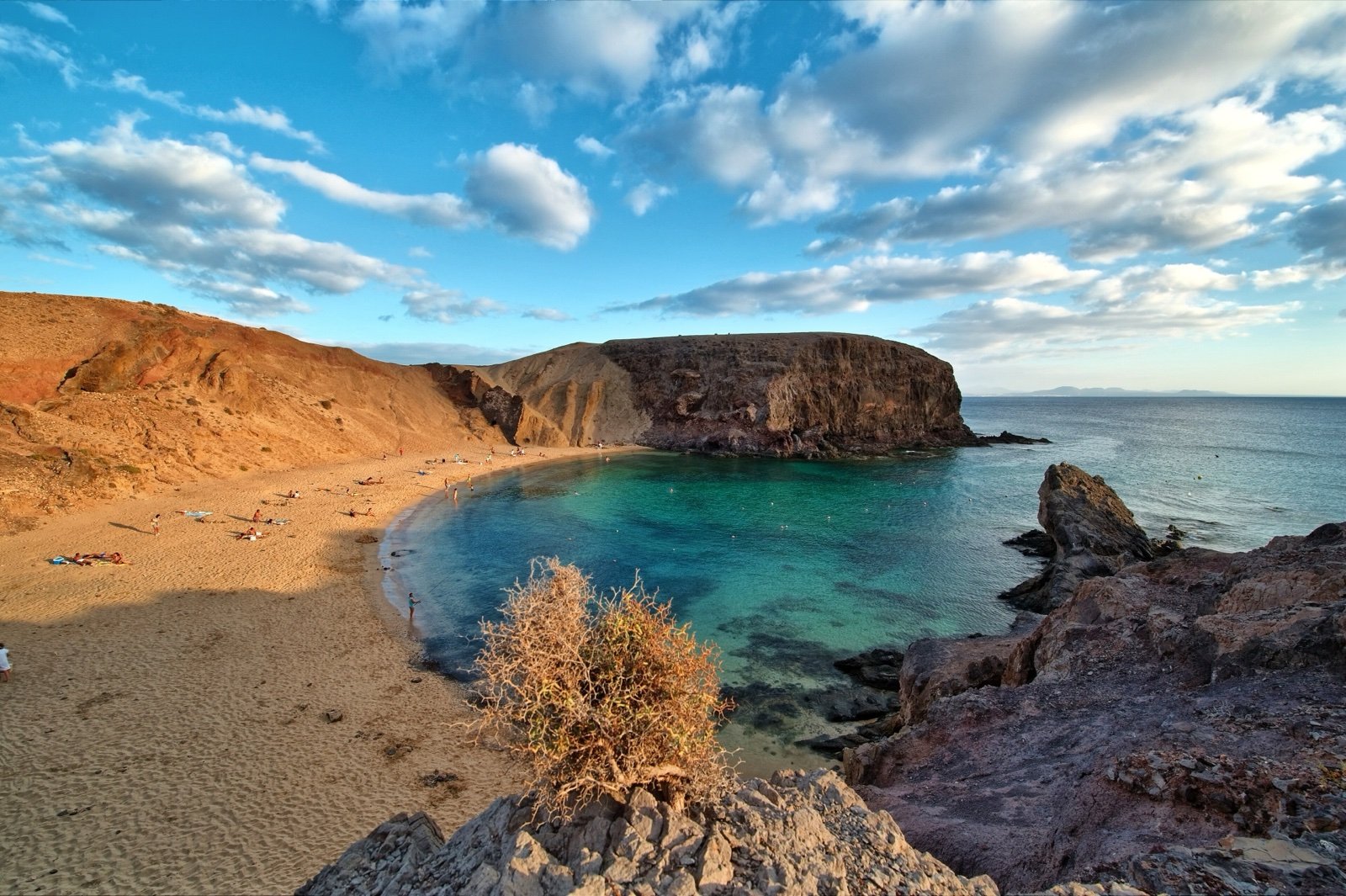
Lanzarote
1993: the whole island, towns included, became a UNESCO biosphere reserve.SpainIsland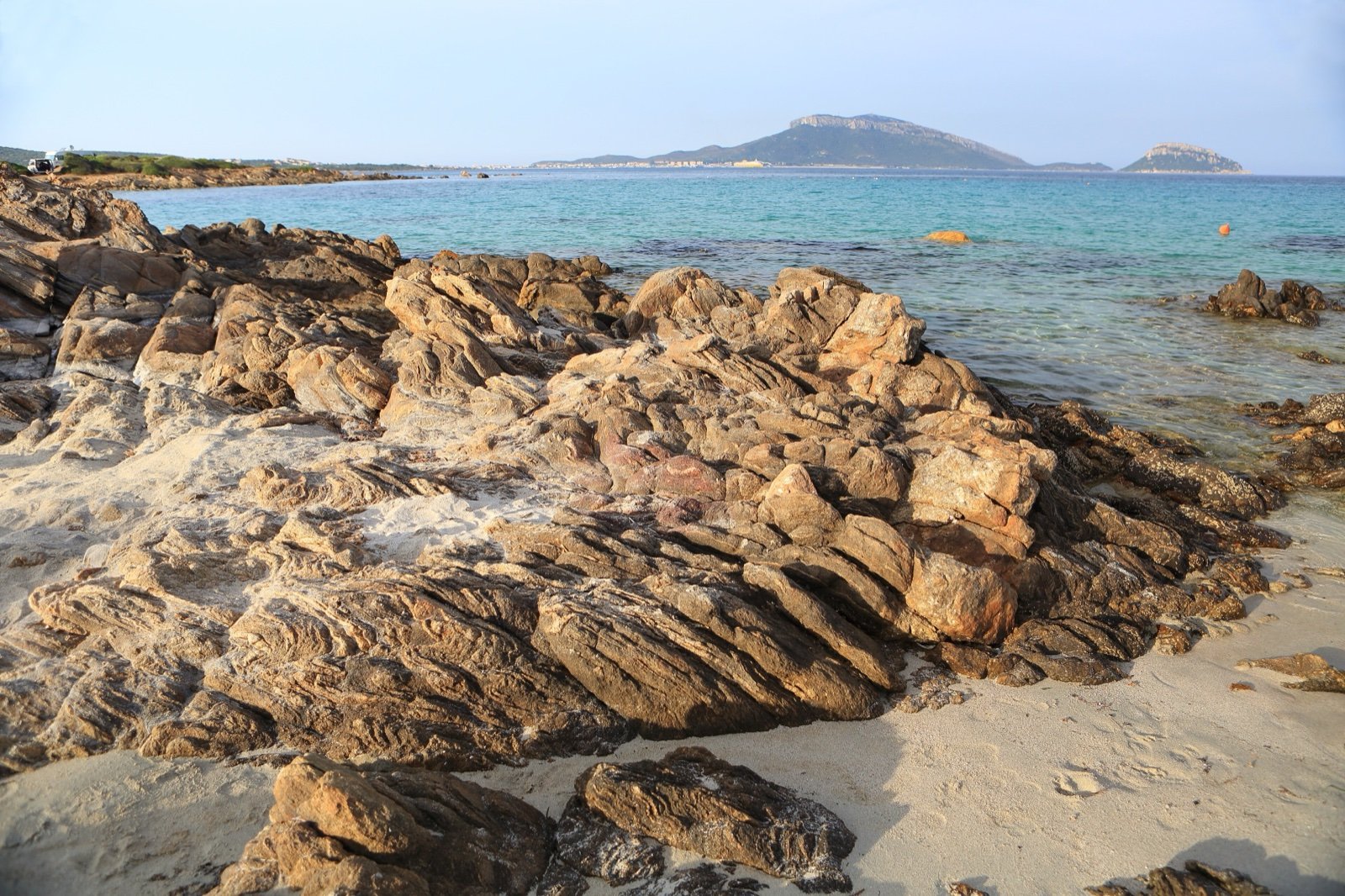
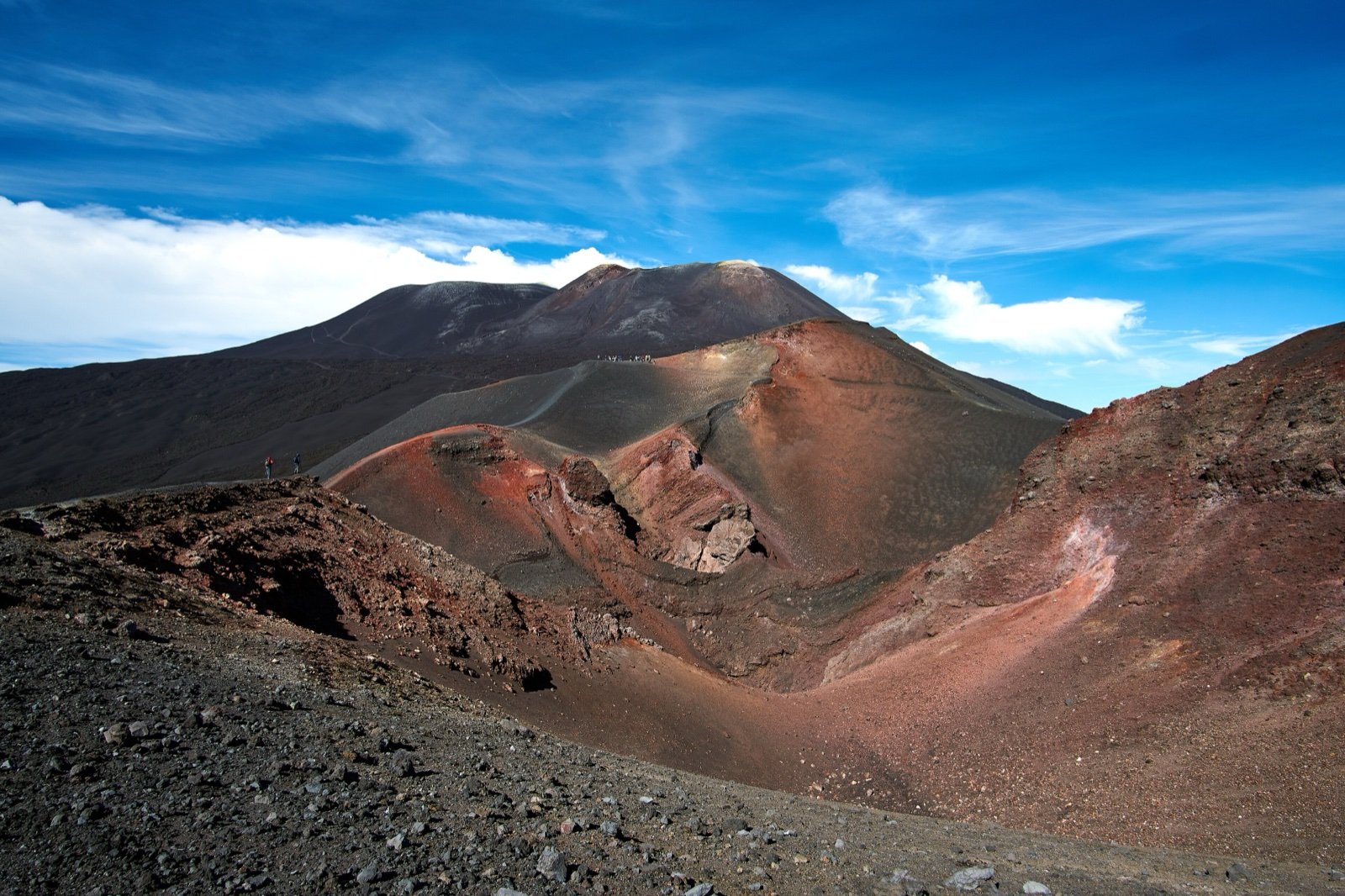
Sardinia
1,179 mi of coast run around the Mediterranean’s second-largest island.ItalyIsland
Sicily
9,927 mi²: the Mediterranean’s largest island, with about 922 mi of coast.ItalyIsland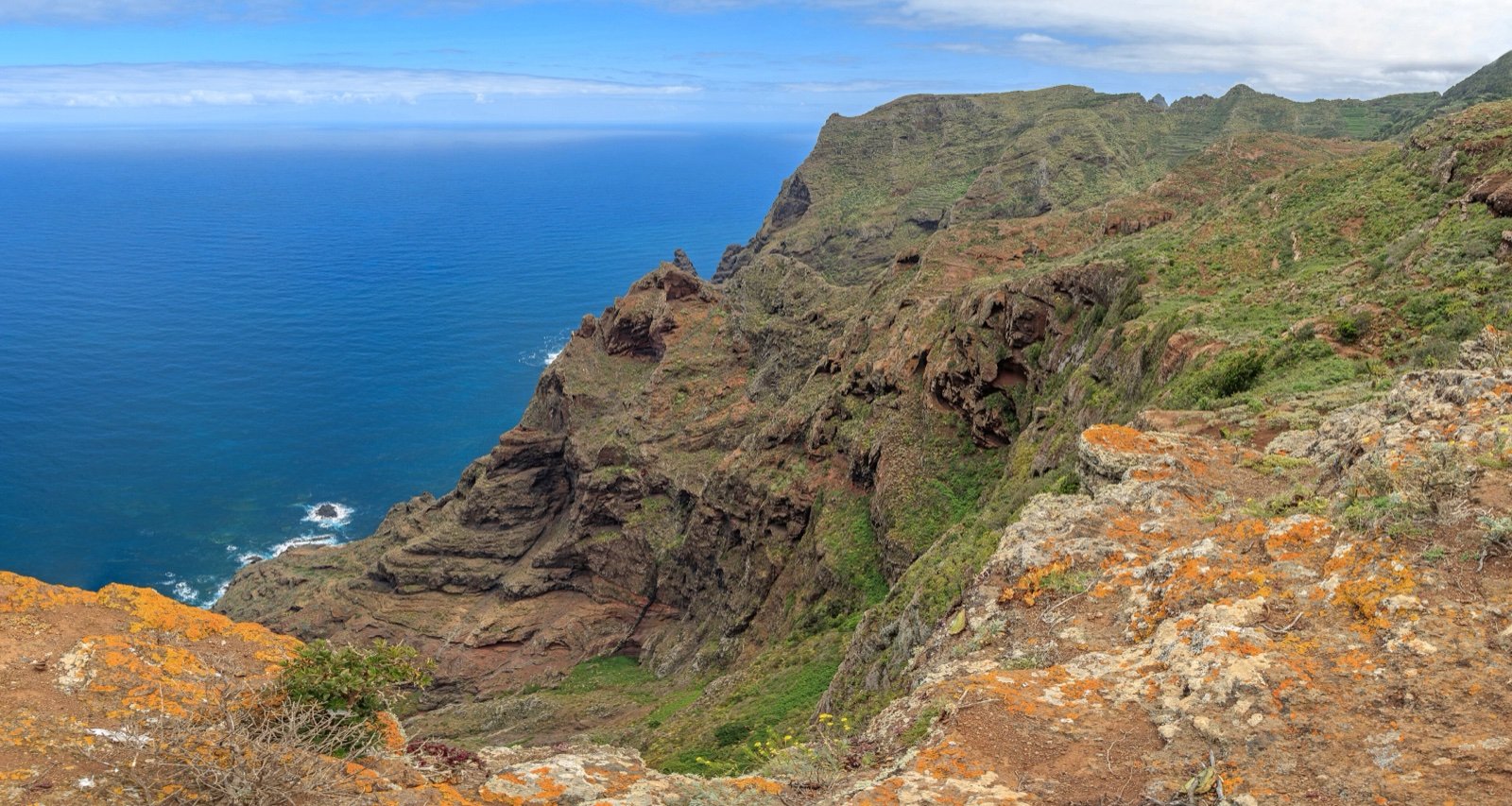
Tenerife
12,188 ft: Spain’s highest point, snowy in winter above a sunny coast.SpainIslandWhere to stay
Hotels, guesthouses and rentals around the places most visited on this page.
Affiliate links: if you book through them, we earn a commission. The price you pay does not change. How this site is funded
- Isle of SkyeUnited KingdomSee hotels
- FuerteventuraSpainSee hotels
- IbizaSpainSee hotels
- LanzaroteSpainSee hotels
Bridge, ferry or sailing boat: how you reach each island
The crossing sets the rhythm of the visit: a ten-minute shuttle makes a day trip, a bridge lets you come and go.
How to choose among the islands: six compared
Size, crossing and how you move about once landed; the full table of area, highest point and access follows.
| Island | Country | Size | Getting there | Getting around |
|---|---|---|---|---|
| Isle of Skye | United Kingdom | 639 mi² | Skye Bridge, toll-free; CalMac ferry from Mallaig | A car; direct buses from Glasgow and Inverness |
Islands in figures
| Island | Country | Area | Highest point | Getting there |
|---|---|---|---|---|
| Sicily | Italy | 9,927 mi² | By plane | |
| Isle of Skye | United Kingdom | 639 mi² | 3,255 ft | By bridge |
| Fuerteventura | Spain | 2,648 ft | By plane | |
| Ibiza | Spain | By plane | ||
| Lanzarote | Spain | 2,198 ft | By plane | |
| Sardinia | Italy | By plane | ||
| Tenerife | Spain | 12,188 ft | By plane |
Islands without cars, and islands made for driving
On some of these islands the car stays on the mainland; on others it is the way to see them.
Bréhat
A municipal order of 11 August 2020 bans every motor vehicle; no car boards the boat.
Porquerolles
Core zone of the Parc national de Port-Cros, no motor vehicle except service vehicles; free parking at the P+R Arromanches in Hyères, then bus 67 to the pier.
Capri
Non-residents’ cars are restricted for much of the year, and vehicle ferries leave from Naples alone; a funicular, buses and a chairlift do the rest.
Belle-Île
The ferry carries vehicles, but the tourist office says the crossing is not always worthwhile for a short stay; bikes and cars are for hire on the island.
Skye and the Lofoten
Single-track roads with passing places; in the Lofoten, a large M on a sign marks one, never a photo stop.
Rules to know before you go
| Rule | Not allowed |
|---|---|
| Picking plants | Sardinia |
Each page gives the full rules, with their source and the date they were checked.
When to go: visitor caps, summer peaks and Arctic light
Each island has its own calendar, set by a visitor cap, a fire-risk map or the sun.
Belle-Île
The peak runs from 15 July to 15 August, up to 35,000 people on an island of 4,920 residents; for the tourist office, winter is the best season.
Bréhat
A cap of 4,700 visitors on July and August weekdays, when a dated ticket is the one guarantee of boarding; weekends are the quiet time.
Porquerolles
A ceiling of about 6,000 visitors a day, and the park advises avoiding July and August; from 8 June to 20 September a fire-risk level published every day can close the forests.
Lofoten
Midnight sun in Svolvær from 25 May to 17 July, northern lights from September to April.
Tents, bivouac and the right to roam
From a right written into law to a ban on the whole island. French islands are also gathered under France; cliffs and dunes have their own page, coasts, and every island sits among the natural sites.
Allowed, with limits
On Skye under the Scottish Outdoor Access Code, lightweight tents, two or three nights at most in one place; in the Lofoten under Norway’s right to roam, 492 ft from an inhabited house, two nights without asking, no open fire from 15 April to 15 September.
Banned
Bivouac all year on Belle-Île, close to half of it a classified site; camping, bivouac and fires in the core zone of the park on Porquerolles.
One campsite
On Bréhat, wild camping is banned across the commune; the municipal campsite at the pointe de Goareva opened from 1 May to 27 September in 2026.
Frequently asked questions
Which islands can you visit without a car?
Bréhat and Porquerolles, where motor vehicles are banned (a municipal order of 11 August 2020 on Bréhat, the core zone of the Parc national de Port-Cros on Porquerolles), and Capri, where non-residents’ cars are restricted for much of the year and the funicular, the buses and a chairlift do the work. Belle-Île takes cars on the ferry but hires out bikes, cars and vans on the spot. Skye and the Lofoten are easier with a car, though direct buses reach Skye from Glasgow and Inverness and an express bus runs from Narvik to Å every day.
Do you need to book the boat to an island?
It depends on the island. The Vedettes de Bréhat take no bookings under 20 people, but on July and August weekdays a dated outward ticket is the one guarantee of boarding. TLV-TVM to Porquerolles sells at the counter in low season and online in high season. For Belle-Île, the Iliens sailing catamaran asks you to be at the quay 15 minutes before departure and may cancel from wind force 7; the hydrofoils to Capri run on seasonal timetables.
How long should you stay on an island?
A day covers the 5.9 mi coastal path of Bréhat or a bike loop of Porquerolles. Belle-Île asks for two or three nights, and five days for the 53 mi Tour de Belle-Île-en-Mer with its 9,186 ft of ascent. Skye covers 639 mi², with single-track roads beyond the A87, and the Lofoten stretch along 101 mi of E10, 106 mi from Evenes airport to Svolvær: count in days, and longer in winter.
Can you wild camp on these islands?
On Skye, yes, under the Scottish Outdoor Access Code: lightweight tents, two or three nights in one place at most, away from buildings and roads. In the Lofoten, yes, 492 ft from any inhabited house and two nights without the owner’s consent, with no open fire from 15 April to 15 September. Bivouac is banned all year on Belle-Île and in the core zone of the park on Porquerolles; Bréhat allows its municipal campsite alone.
When is the best time to visit the islands?
Outside the peaks named by the managers: 15 July to 15 August on Belle-Île, July and August on Porquerolles and Capri, weekdays in July and August on Bréhat. In the Lofoten the choice is between light and darkness: midnight sun from 25 May to 17 July in Svolvær, northern lights from September to April. The Belle-Île tourist office names winter as the best season to see island life.
Which islands can you reach by train?
Skye has a station at Kyle of Lochalsh, at the mainland end of the bridge, and Mallaig, port of the Armadale ferry, is reached by road or train. For Belle-Île the nearest station is Auray, with a BreizhGo coach to Quiberon and the Tire-bouchon train in July and August; for Bréhat, Paimpol station is 3.1 mi from the jetty, with bus line 24. The Lofoten have no railway: an express bus from Narvik every day, flights or the ferry from Bodø.