
Natural sites worth the trip
What UNESCO calls the largest known underground canyon, Europe’s most powerful waterfall, a dune 101 m high: natural wonders from Iceland to Patagonia.
- 9 countries
Giant's Causeway : Lindy Buckley from Nanjing, China, CC BY · Verdon Gorge : kallerna, CC BY-SA · Caminito del Rey : Malopez 21, CC BY-SA · Mount Etna : User:Matthias Süßen, CC BY-SA
Natural wonders by landscape: caves, waterfalls, lakes, volcanoes and more
The natural wonders on this page are the single sites that justify a journey on their own: 11 of them in 9 countries, sorted into 5 kinds of landscape, from a cave railway under the Slovenian karst to a glacier front 3.1 mi wide in Patagonia. Each type has its own hub, with the figures that matter for that landscape.
Read more
Start from what you want to see, then from the time you have: an hour at a waterfall viewpoint, half a day in a show cave, a full day on a volcano. The sections below say what each landscape asks of you and point to the hub where every site of that kind is compared.
All natural sites
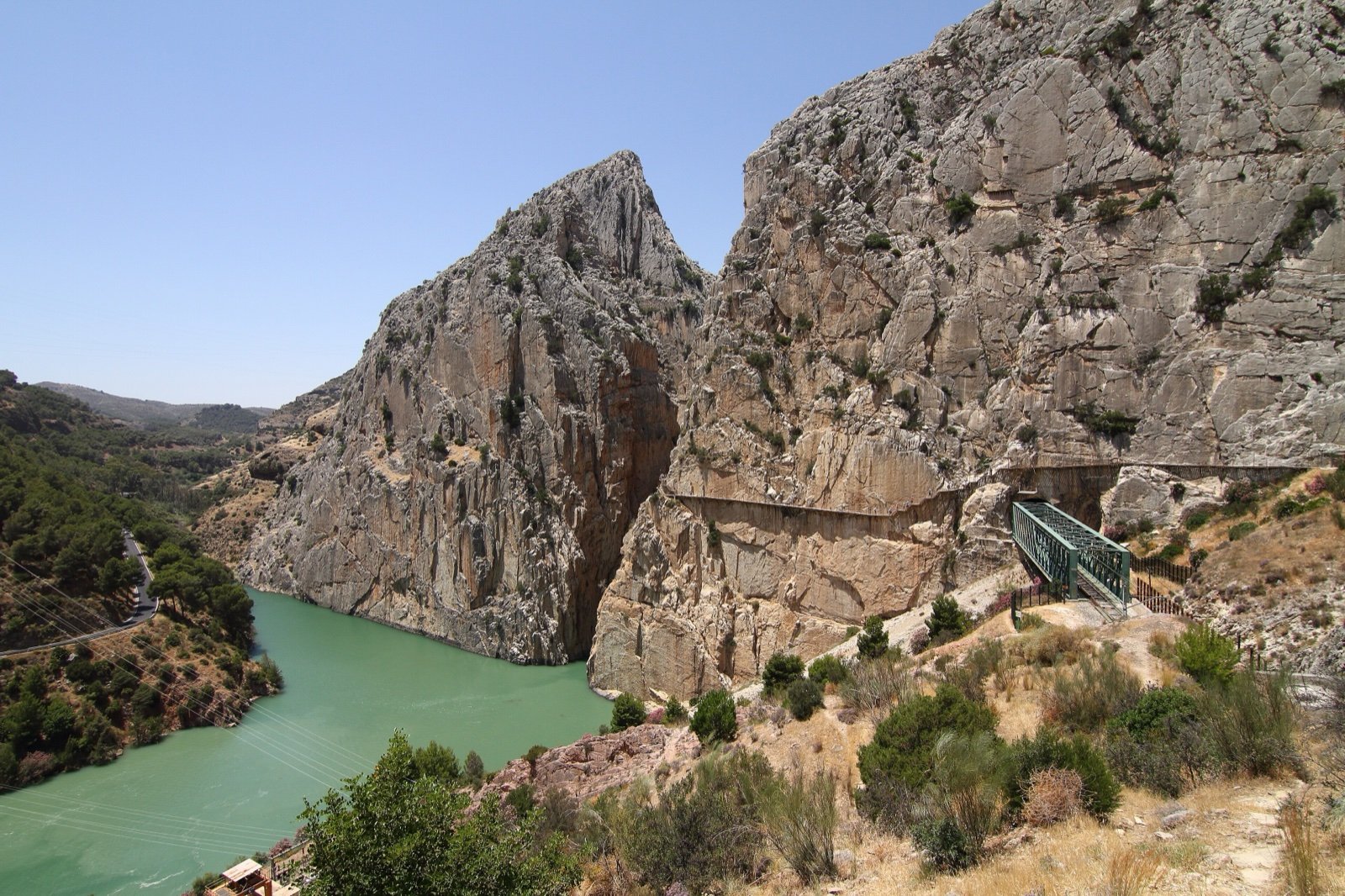
Caminito del Rey
344 ft of void under a suspension bridge, on cliff boardwalks.SpainGorge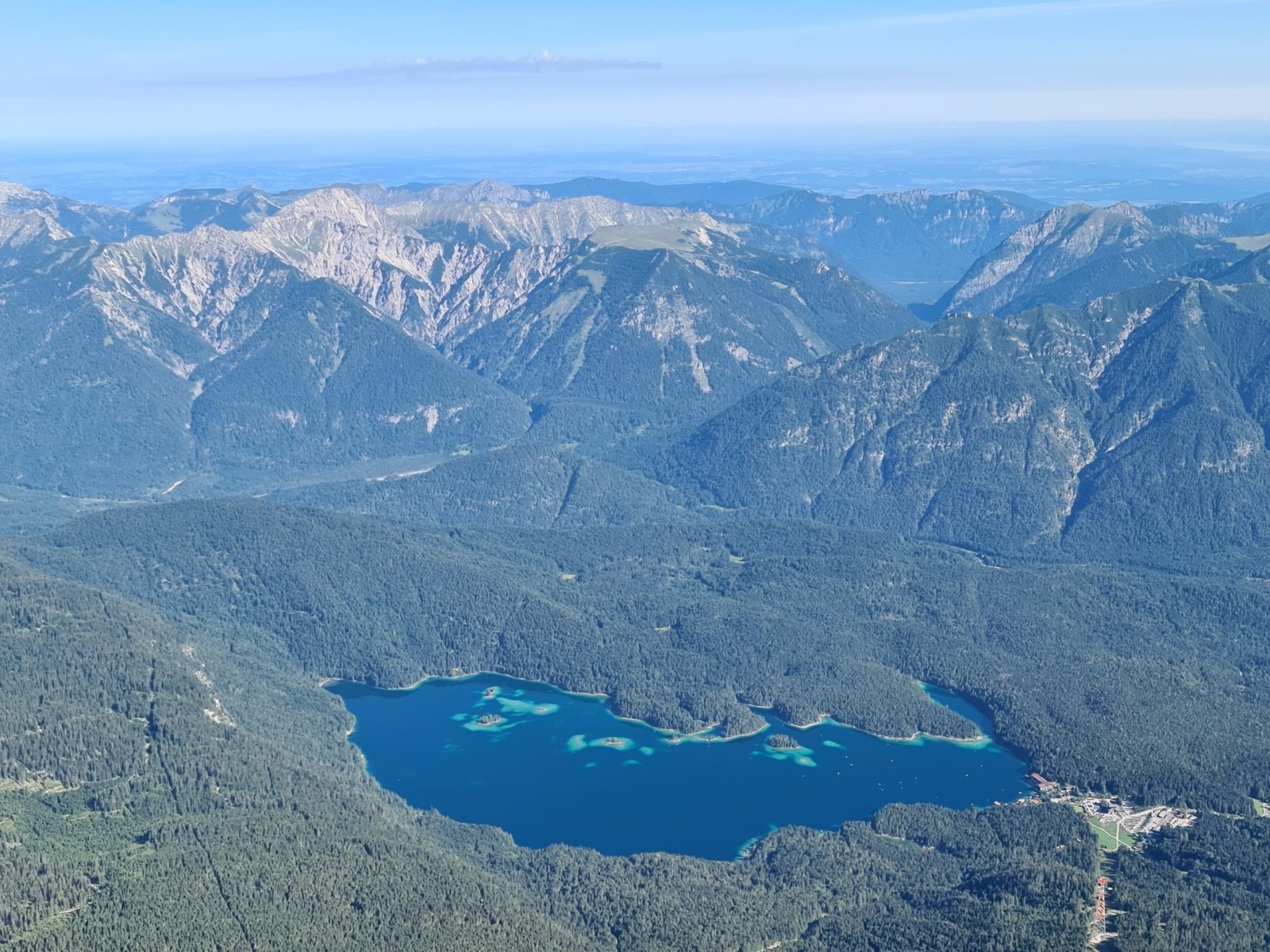
Eibsee
8 islets left by a rockfall, in a lake below the Zugspitze.GermanyLake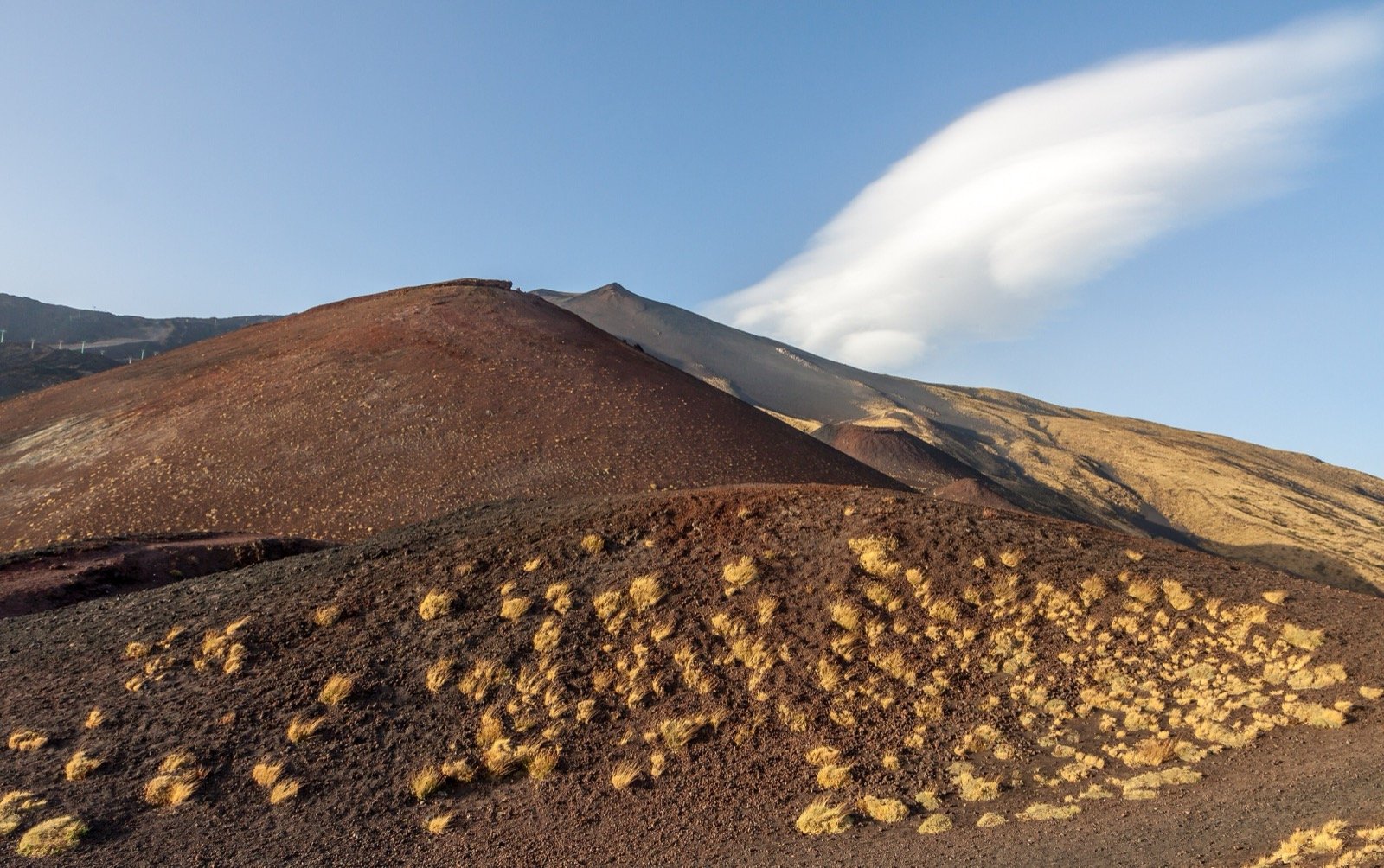
Mount Etna
2,700 years of recorded eruptions on Sicily’s volcano, still active.ItalyVolcano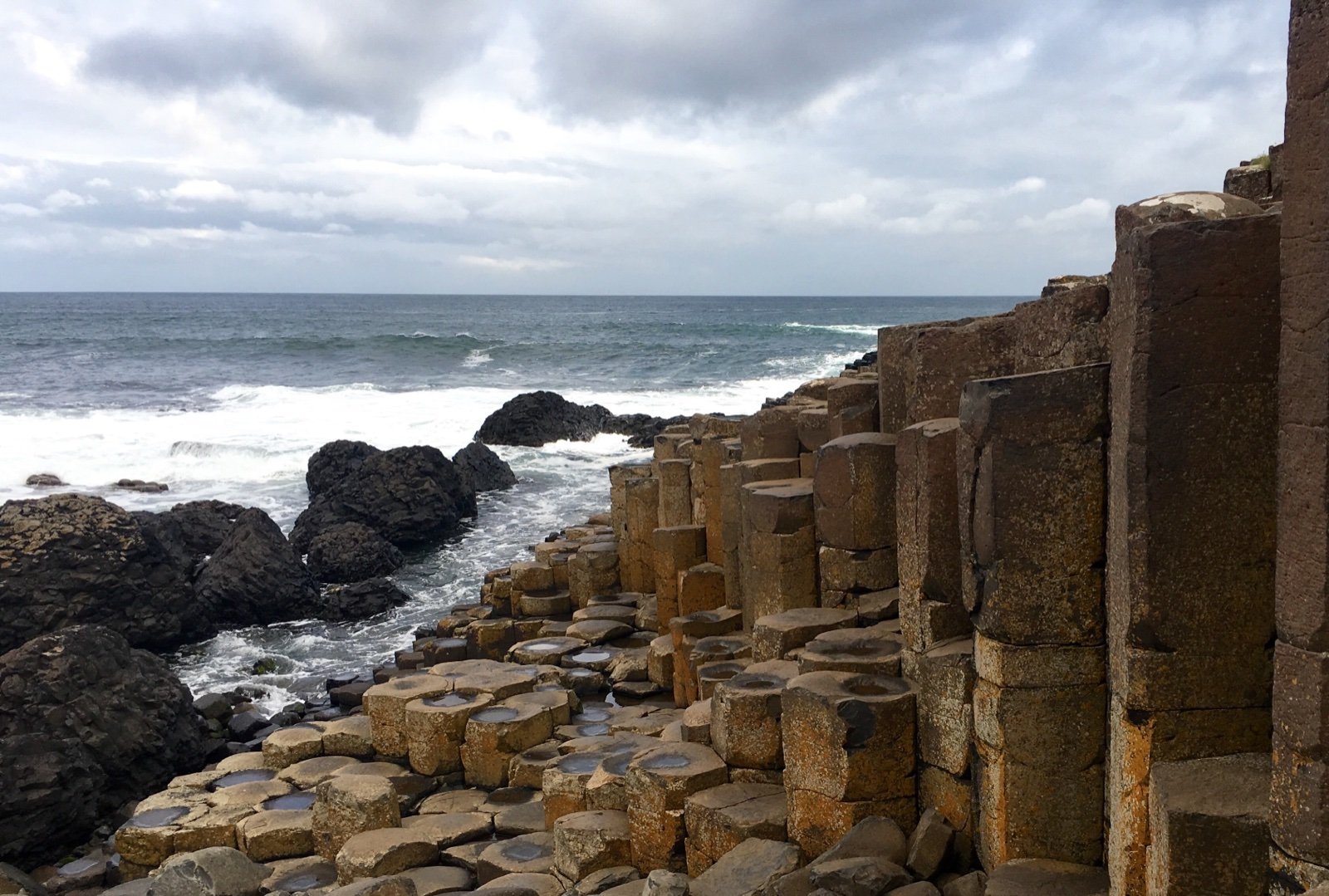
Giant's Causeway
40,000 basalt columns, formed almost 60 million years ago.United KingdomCoast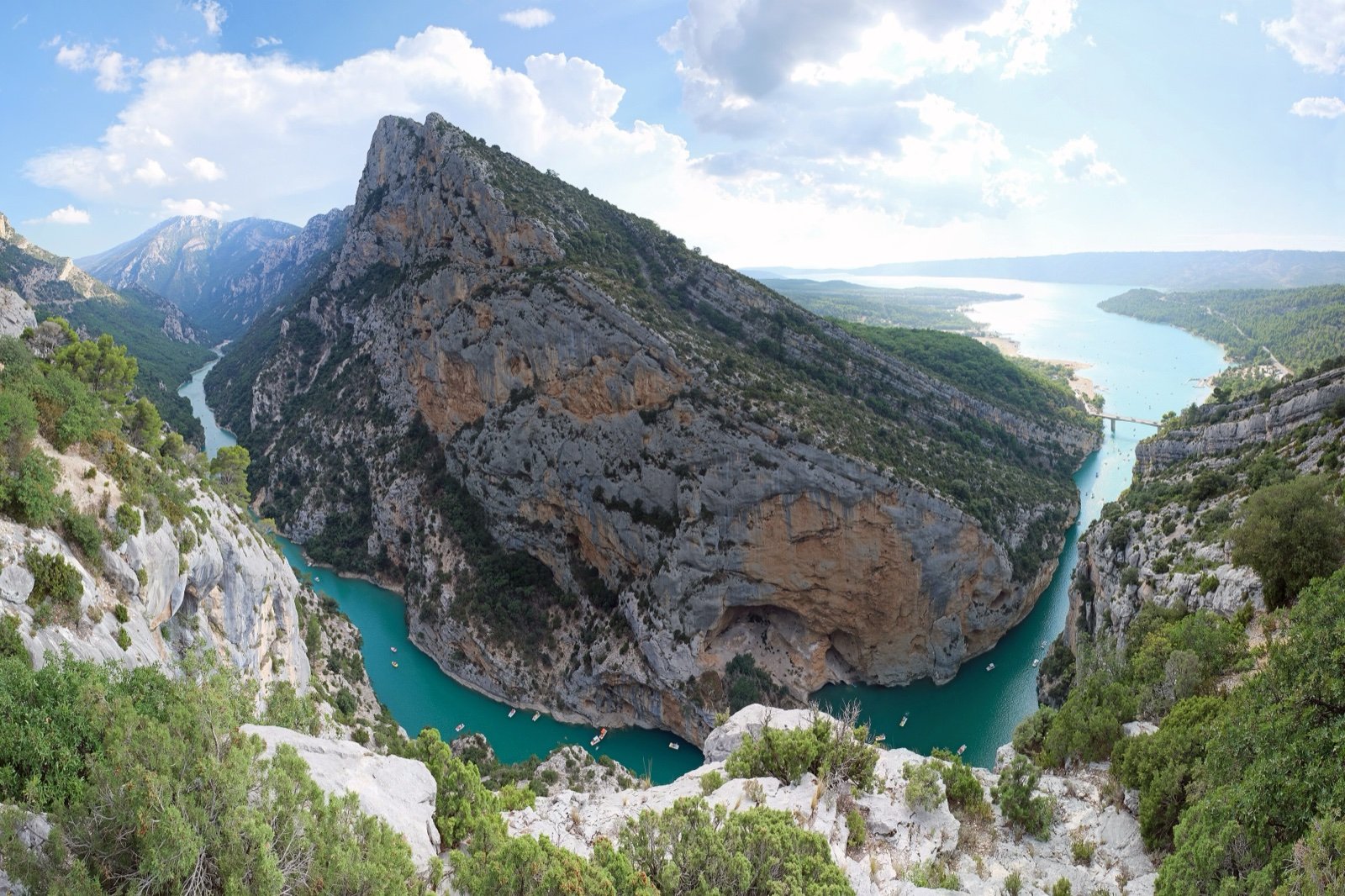
Verdon Gorge
2,297 ft cliffs, where more than 200 pairs of griffon vultures nest.FranceGorge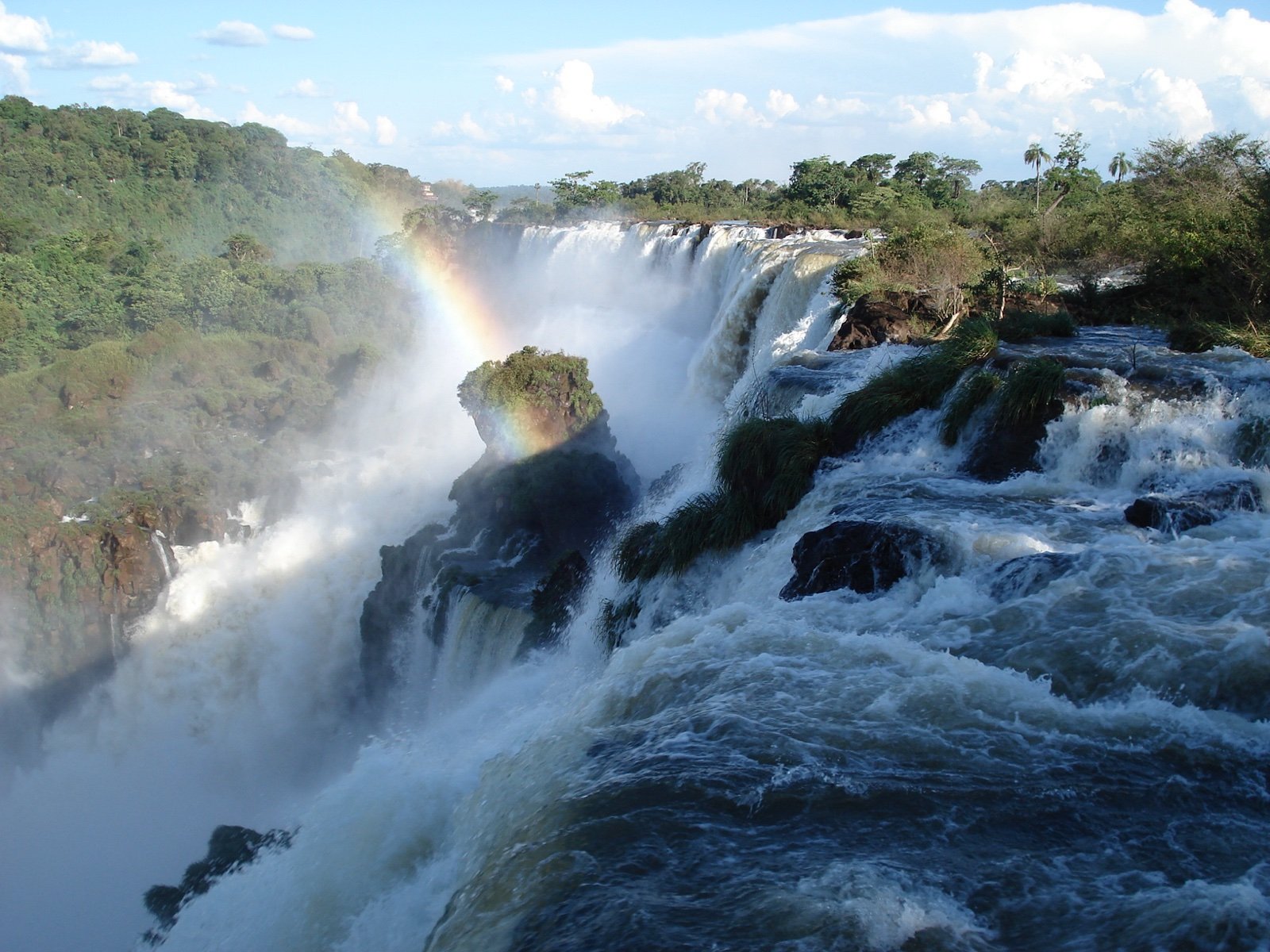
Iguazu Falls
275 falls along 1.7 mi of river, between Argentina and Brazil.ArgentinaWaterfall
Königssee
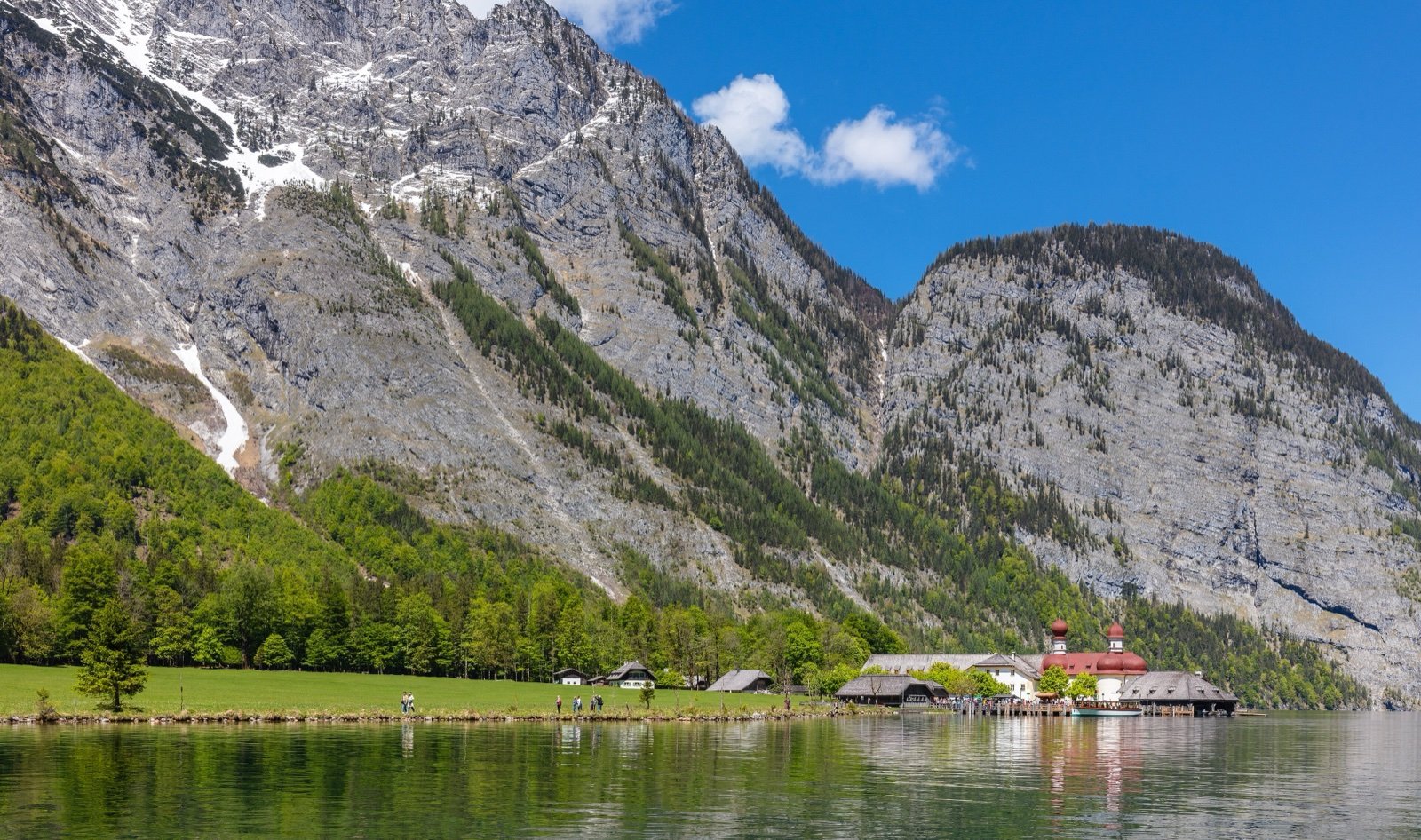
623 ft deep, a fjord-like lake lies below the Watzmann east face.GermanyLake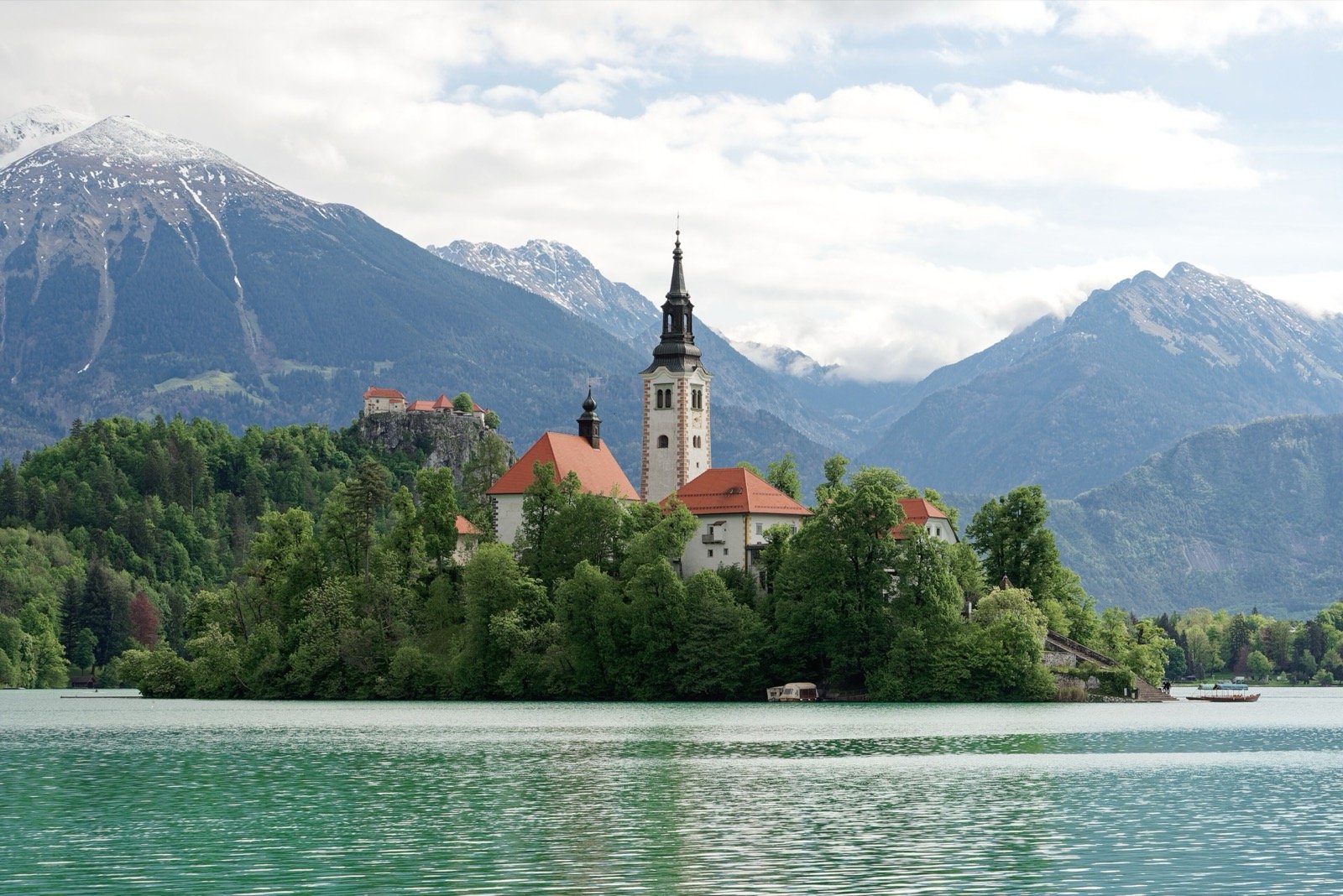
Lake Bled
99 steps lead up to a church on an island reached by wooden boat.SloveniaLake
Mount Fuji
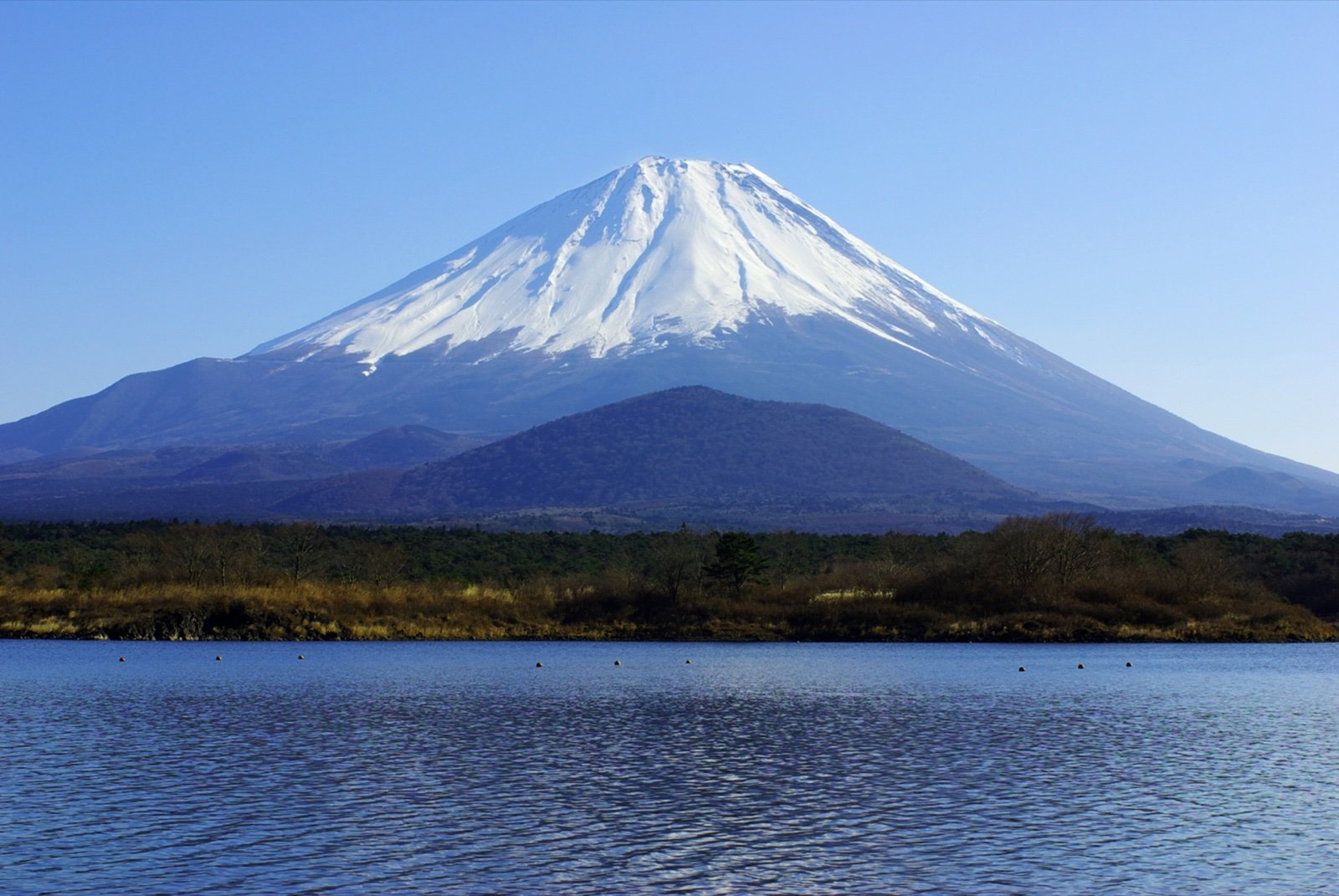
12,388 ft: a classic volcanic cone, listed by UNESCO as a place of worship and a source of art.JapanVolcano
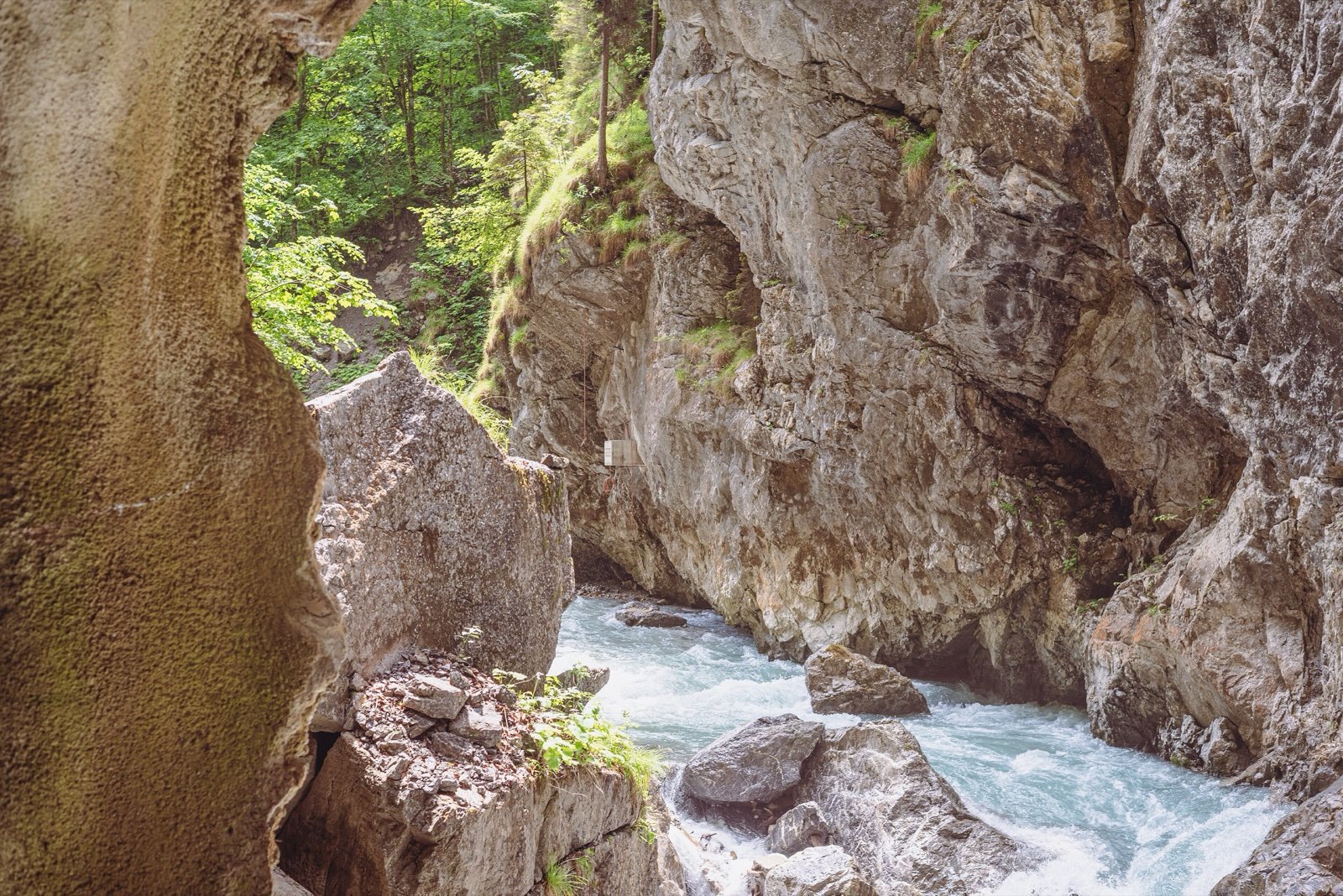
Partnach Gorge
282 ft rock walls above the torrent, hung with ice in winter.GermanyGorge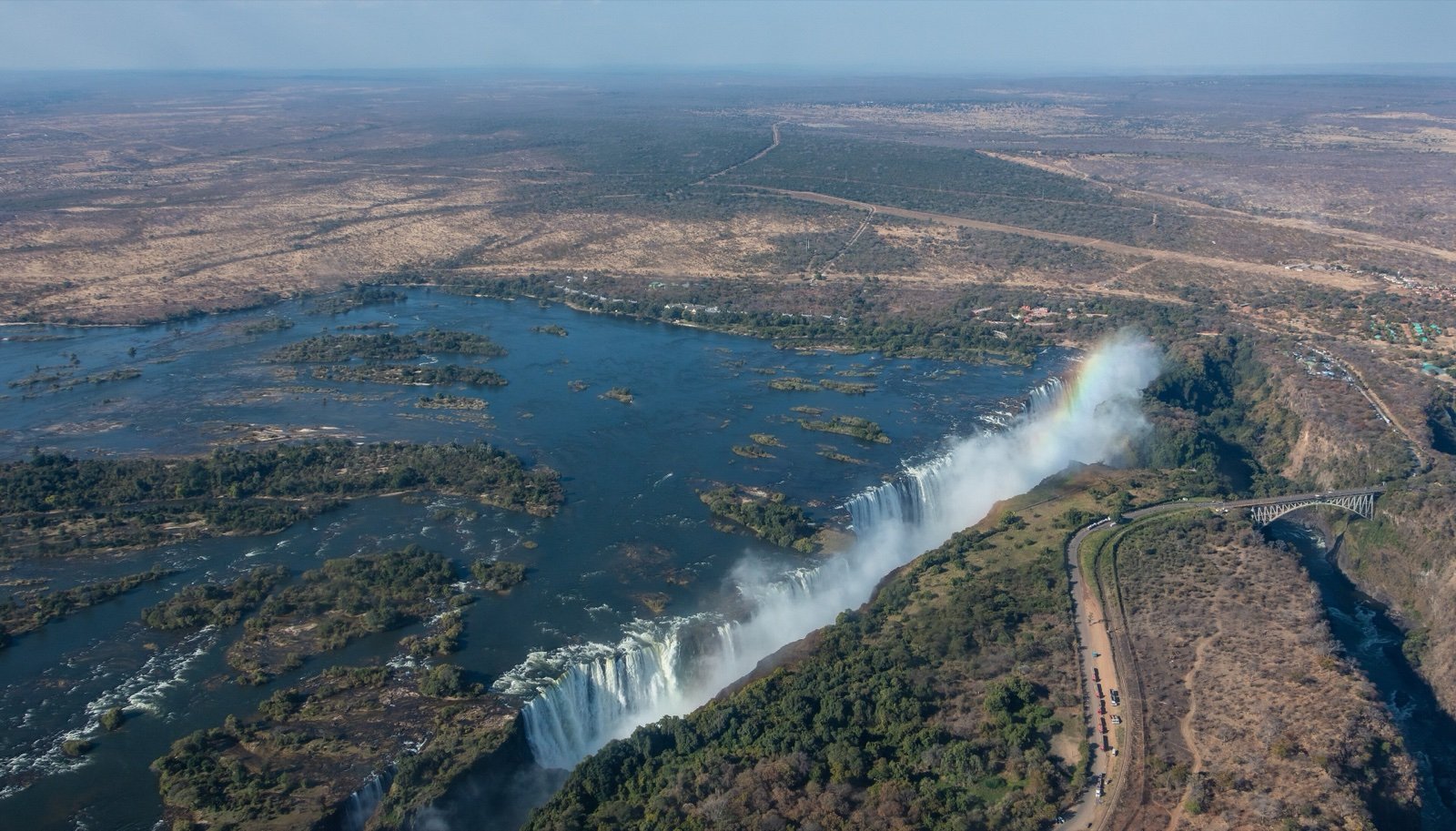
Victoria Falls
1,312 ft of spray above a 354 ft drop, seen from 31 mi away.ZambiaWaterfall
Where to stay
Hotels, guesthouses and rentals around the places most visited on this page.
Affiliate links: if you book through them, we earn a commission. The price you pay does not change. How this site is funded
- Giant's CausewayUnited KingdomSee hotels
- Verdon GorgeFranceSee hotels
- Caminito del ReySpainSee hotels
- Mount EtnaItalySee hotels
- EibseeGermanySee hotels
- Iguazu FallsArgentinaSee hotels
Natural wonders by landscape: which type, for how long
Each kind of landscape has its own hub, where every site of that type is compared with the figures that count for it: steps and temperature for a cave, drop and peak months for a waterfall, depth and swimming for a lake. The list says what each type asks of your day.
- Waterfalls: an hour at the viewpoint, in the right month: Victoria Falls is at its peak in March and April, with spray rising more than 1,312 ft.
- Lakes: a half day, a boat or a swim: Lake Bled reaches 20 to 24 °C in summer, with a 3.7 mi path around the shore.
- Volcanoes: a day, and an alert level to check: Mount Etna at 11,165 ft, Mount Fuji in its season from 1 July to 10 September 2026.
Pillars, arches and peaks that belong to no type, such as Meteora and its six monasteries on sandstone columns, are listed with the rest of the grid.
A visit in figures: time, cold and tickets
The operators’ own figures, with the year of each price, for eight sites of eight kinds.
| Site | Type | Time on site | Price |
|---|---|---|---|
| Lake Bled | Lake | 1 h 30 around the shore | €12 island entry for an adult, 2026 |
| Mount Fuji | Volcano | 5 to 9 hours to the summit, by trail | ¥4,000 passage fee, 2026 |
When the show is on: flow, light and season
Some sites are the same all year; others change tenfold with the month. The dated seasons of the sites on this page are gathered under this text.
Water
In November the flow of Victoria Falls drops to about a tenth of April’s; the Tara River Canyon is run by raft when the water level suits, from 1 July to 15 September.
Light
On the Lofoten, midnight sun from 25 May to 17 July at Svolvær and northern lights from September to April.
Ice
The Perito Moreno Glacier at its best from September to April.
Season rules
Outside the season, every route to the summit of Mount Fuji is closed; at Mount Etna, the permanent danger zone around the active craters was closed to everyone at 20 October 2026.
When to go
- Lake Eibsee: Best time to visit (May to October)
- Victoria Falls: Peak water flow (March to April)
Free, booked or closed: what changes the plan
Free
The Dune of Pilat, with the car park as the one charge; the Verdon Gorge, free and never closed; the Lofoten under Norway’s right to roam.
Booked
The Blue Lagoon, on dynamic prices; Mount Fuji, with an online registration for every climb in season; Škocjan, where the guided visit is compulsory.
Checked on the day
The alert phase of Mount Etna, which decides who may go above 8,202 ft.
Two countries have lists by type already: Caves in France and Cenotes in Mexico. Every site has a pin on the map, and the calendar gives each month its peaks.
Frequently asked questions
What counts as a natural wonder on this site?
A single natural site that justifies a journey on its own: a cave, a waterfall, a lake, a gorge, a volcano, a glacier, an island, a coast, a hot spring or a cenote, inside a park or outside one. Each page names the park it belongs to when there is one, and the type hubs compare every site of a kind across all countries.
How long does it take to visit a show cave?
About 1 h 30 at Postojna Cave, of which just over a kilometre on foot after the 2.3 mi cave railway, and 2 h 30 to 3 h at the Škocjan Caves, over 3.1 mi and about 1,000 steps. Inside, 10 °C at Postojna and 12 °C at Škocjan all year, so bring a warm layer.
Can you swim at these natural sites?
At some. Lake Bled allows swimming, with water at 20 to 24 °C in summer according to the tourist office; Cenote Dos Ojos is swum and snorkelled in a life jacket at 25 °C all year. Swimming is banned in the Verdon Gorge. Each type hub lists where swimming is allowed, under conditions or banned.
Do natural wonders charge an entrance fee?
Many do not: the Dune of Pilat charges for the car park alone, and the Verdon Gorge is free. Others sell a ticket: €34.90 for an adult at Postojna Cave in 2026, 50,000 ARS at the Perito Moreno Glacier from 1 June 2026, a ¥4,000 passage fee on Mount Fuji. Each page gives the price with the year it applies to.
What is the best time to see a waterfall?
In its peak month, which the page of each fall gives. Victoria Falls carries the most water in March and April and about a tenth of that in November. Alpine falls peak with the snowmelt in late spring and early summer; the waterfalls hub and the calendar list each one by month.