

Cévennes National Park
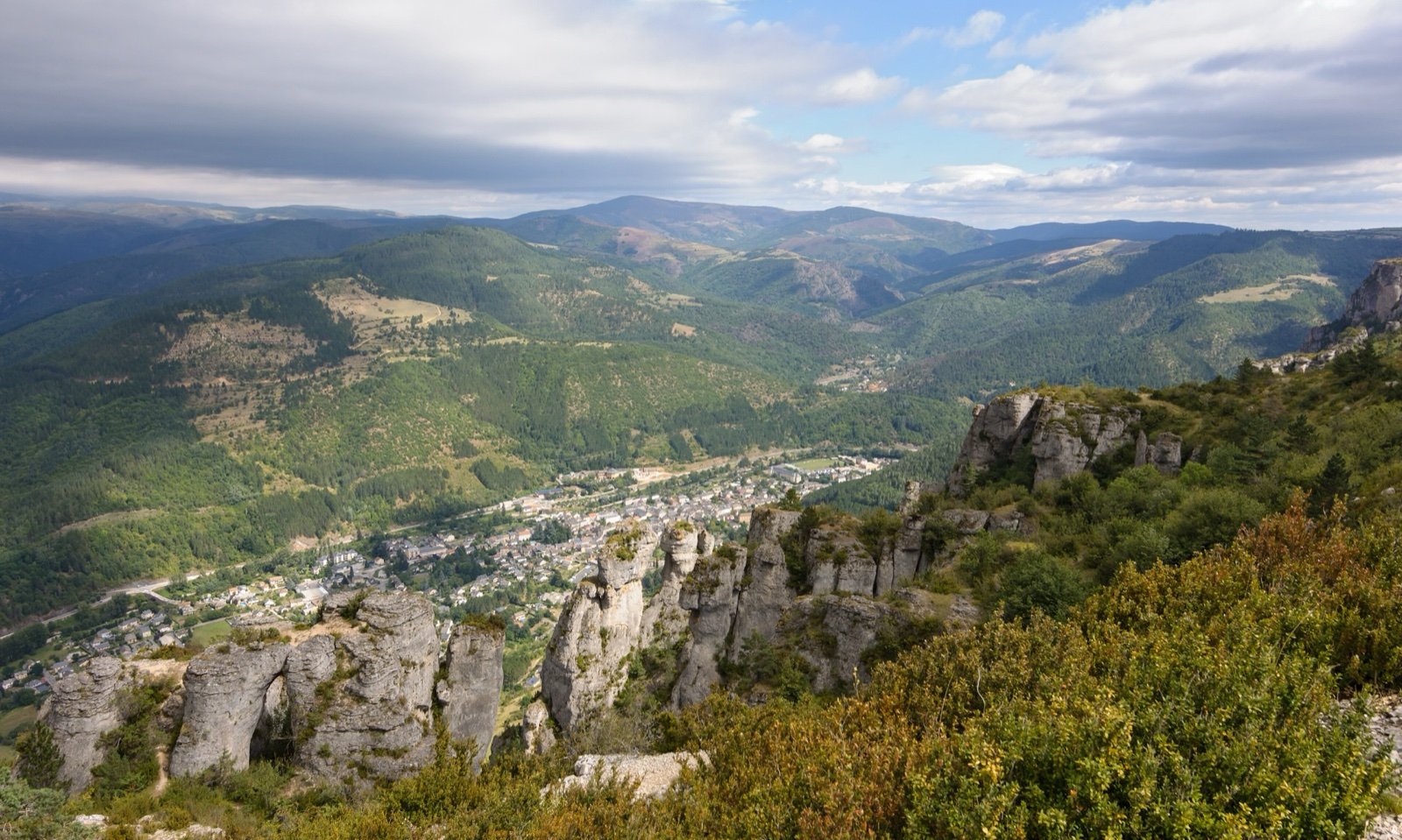
The only mid-mountain national park in mainland France, lived in down to its core: granite on Mont Lozère, limestone causses, chestnut valleys, about 5,000 km of waymarked paths and Europe’s largest dark-sky reserve.
- 362 mi²Area
- 5,574 ftElevation
- 1970Established
At a glance
- The only mid-mountain national park in mainland France, with people living in its core
- Europe’s largest International Dark Sky Reserve, since 13 August 2018
- About 5,000 km of waymarked paths, including the Stevenson trail (GR 70, 252 km)
- Over 2,250 flowering plants, 40% of France’s flora on 0.5% of the country’s territory
- Red deer rut from mid-September at nightfall, best heard in September and October
- Bivouac allowed within 50 m of GR and GRP trails, one night, between 7pm and 9am
Where to stay
Hotels, guesthouses and rentals around Cévennes National Park
Check availability with our partners
Affiliate links: if you book through them, we earn a commission. The price you pay does not change. How this site is funded
Mountain huts
- Aire-de-Côte
Nearby villages and towns
Florac Trois RivièresClosest
13 mi as the crow flies
See hotelsMende
22 mi as the crow flies
See hotels
Larger cities further away
Alès
34 mi as the crow flies
See hotels
How the visit runs
Florac
The park’s seat, where both coach lines from Mende and Alès arrive. The Maison du tourisme et du Parc, in the old station, sells IGN maps and topoguides.
Mont Lozère GR 68, 118 km
A granite ridge of massive forms, topped by the Pic de Finiels at 1,699 m; the Tarn rises here. The GR 68 makes a loop around the mountain.
Causse Méjean and the Tarn and Jonte gorges GR 736, 240 km
A high limestone plateau where water is scarce, with caussenard houses roofed in stone over a vault and lavognes, small ponds for livestock. The deep gorges below shelter reintroduced vultures.
Mont Aigoual
A forested massif under its weather observatory at 1,567 m, where the mouflon, brought here in 1950, is easy to spot.
The Cévennes valleys GR 67, 125 km
The Vallée Française, the Vallée Borgne and the Vallée Longue, with terraces and dry-stone walls, chestnut trees between 500 and 900 m and the pélardon goat’s cheese. The park lists the Tour en Cévennes (GR 67) among its multi-day loop trails.
The Cévennes foothills
Former mining country and the only massif served by rail, the Cévenol line, since 1955. The Cocalière and Trabuc caves and the Bambouseraie are here.
Long-distance trails through the Cévennes
| Trail | Waymark | Length |
|---|---|---|
| Chemin de Stevenson | GR 70 | 252 km |
| Chemin Urbain V | GR 670 | 329 km |
| Chemin de Régordane | GR 700 | 245 km |
| Chemin de St Guilhem | 240 km | |
| Gorges et vallée du Tarn | GR 736 | 240 km |
| GR 7 | GR 7 | 1,471 km |
| Tour du mont Lozère (loop) | GR 68 | 118 km |
| Tour en Cévennes (loop) | GR 67 | 125 km |
Source: Parc national des Cévennes, hiking page (read 2026).
The three regulated canyons of the core
| Canyon | When | Conditions |
|---|---|---|
| Hort de Dieu | Closed all year | Protects the white-clawed crayfish and the golden eagle |
| Bramabiau | 1 June to 30 September | 10am to 5pm, not on Tuesdays or Thursdays |
| Tapoul | Closed 1 October to 30 April | Compulsory shuttle in July and August |
Source: Parc national des Cévennes, canyoning regulations (2026).
Before you go
- Bivouac: for walkers without a vehicle, no more than 50 m either side of the GR and GRP, one night, on site between 7pm and 9am, without a tent or in a light one you cannot stand up in. Some sensitive sections are closed to it, such as the Aigoual summit, Finiels and the tour of the Méjean.
- Sleeping in a vehicle, campervan or trailer is forbidden in the core; overnight parking is allowed only on the aires in the area of adhesion.
- Fire is forbidden in the core. Bivouackers may use a portable stove more than 200 m from woods and forests, if the prefecture’s orders allow it.
- Public transport: one daily coach line, Mende to Florac, two return trips Monday to Saturday except public holidays; a seasonal Alès to Florac line from 15 April to 31 October; Lozère summer shuttles from 7 July to 31 August (the park links a 2024 timetable, so check the current one). The park advises a car.
- Roads are winding and narrow: count distances in time. Some passes close in winter, and mobile coverage can be patchy.
- Private land: most paths cross private property. Stay on waymarked paths and close gates behind you.
- Walking poles: metal tips damage the soil; the park asks for rubber tips.
- Dogs must be on a lead in the core. During the deer rut, the park asks visitors to leave the dog at home.
- Drones are banned below 1,000 m over the core; only professionals may request an exemption, one month ahead.
What is allowed
| Topic | Rule | Source |
|---|---|---|
| Wild camping (bivouac) | Restricted | Parc national des Cévennes |
| Camping | Restricted | Parc national des Cévennes |
| Fires | Not allowed | Parc national des Cévennes |
| Dogs | Restricted | Parc national des Cévennes |
| Photography | Allowed | Parc national des Cévennes |
| Drones | Not allowed | Parc national des Cévennes |
| Cycling | Restricted | Parc national des Cévennes |
| Motor vehicles | Restricted | Parc national des Cévennes |
| Picking plants | Restricted | Parc national des Cévennes |
| Fishing | Restricted | Parc national des Cévennes |
| Hunting | Restricted | Parc national des Cévennes |
Rules checked with the site manager on October 7, 2026. They can change at short notice: check before you go.
When to go
- Deer rut September to October
How to get there
Cévennes National ParkPlaces to stay in the parkGateway towns
The Cévennes is one of the few national parks where people still live in the core: the park counts 71,290 permanent inhabitants in 123 communes. Created in 1970, it spreads over three departments, the Lozère, the Gard and the Ardèche.
A core, an area of adhesion and a green band on the map
The park is drawn in two rings, and only the inner one carries its own rules:
- The core: 362 mi² in 39 communes, governed by decree no. 2009-1677 of 29 December 2009.
- The area of adhesion: 842 mi², grouping the 114 communes that signed the charter, with no particular environmental regulation.
Signs mark the way into the core:
- on the roads, “Parc national des Cévennes, Zone de protection”;
- on the paths, a welcome into a protected territory;
- on IGN maps, a broad, unbroken green band.
Hunting kept, vultures brought back
When the park was created, keeping hunting in the core was one of the main terms of the contract between the State and the inhabitants. The park still considers it necessary to balance large hoofed animals, farming and forest, and sets aside tranquillity zones over more than 16% of the core.
More than 2,400 animal species are recorded:
- 70 of France’s 135 mammal species;
- 195 bird species, 135 of them breeding;
- 26 reptiles, 16 amphibians and 23 fish;
- more than 2,000 invertebrates.
Some species came back, one was lost:
- the park reintroduced the griffon and cinereous vultures, which the deep Tarn and Jonte gorges now shelter;
- the Eurasian otter has returned;
- the little bustard has gone.
The core holds 168 habitat types, and the park has 74 of the 131 habitats of European interest found in mainland France.
Menhirs, Camisards and silkworms
The layers of history follow one another across the park:
- The cham des Bondons, with nearly 200 menhirs and dolmens, 70 of them standing: the second-largest concentration of menhirs in France.
- The Gallo-Roman mausoleum of Lanuéjols.
- Medieval bridges and churches at Ispagnac and Quézac.
- The Camisard war of the early eighteenth century.
- Silkworm rearing in the same century.
- Ten museums tell that story, among them the Maison rouge, the Musée cévenol and the Musée du Désert.
- UNESCO inscribed the agropastoral cultural landscapes of the Causses and the Cévennes on the World Heritage List in 2011.
- The park has been a biosphere reserve since 1985.
Weather on the Aigoual, stars over the whole park
The Aigoual takes the full force of rain, snow, wind and fog, under its weather observatory at 5,141 ft.
- The forest that now covers more than 70% of the massif came from replanting led by Georges Fabre from the late nineteenth century.
- Tengmalm’s owl and the black woodpecker are the emblems of its forests.
- The visitor centre at the col de la Serreyrède was hit by a fire in December 2024.
- On 13 August 2018 the park became an International Dark Sky Reserve, the second in France after the Pic du Midi.
Sites for visitors with reduced mobility
- The Maison du tourisme et du Parc at Florac is accessible.
- The Puechagut trail (2,953 ft there and back) carries the Tourisme et Handicap label for all four types of disability.
- The forêt magique platform at the Mas de la Barque is described as accessible to all types of disability.
Frequently asked questions
Can you wild camp in Cévennes National Park?
Yes, as a bivouac along the GR and GRP trails: within 50 m of the path, for one night, between 7pm and 9am, in a light tent or none. Sleeping in a vehicle is forbidden in the core.
Are dogs allowed in Cévennes National Park?
Yes, on a lead in the core. The park asks visitors not to bring a dog to watch the deer rut, even on a lead.
When can you hear the deer rut in the Cévennes?
From mid-September, at nightfall, with September and October the best period. Hunting also takes place then, so check where drives are planned before you go.
How do you get to the Cévennes without a car?
The stations nearest the park are Nîmes, Alès, Mende, Villefort, Marvejols and Génolhac. Coaches then run from Mende to Florac (two return trips Monday to Saturday except public holidays) and, from 15 April to 31 October, from Alès to Florac. The Destination Cévennes website lists 62 hikes reachable by public transport, some only in summer.
How long is the Stevenson trail?
252 km. The chemin de Stevenson is waymarked as the GR 70.
Can you go canyoning in Cévennes National Park?
Three canyons are regulated in the core. The Hort de Dieu is closed all year; the Bramabiau is open from 1 June to 30 September, 10am to 5pm, except Tuesdays and Thursdays; the Tapoul is closed from 1 October to 30 April, with a compulsory shuttle in July and August.
Can you pick mushrooms in the Cévennes?
Yes, up to 10 litres per person per day, outside signposted reserved zones and with the landowner’s permission. For plants, 56 species may be picked for family use, two litres per person, per day and per species.
Other protected areas nearby
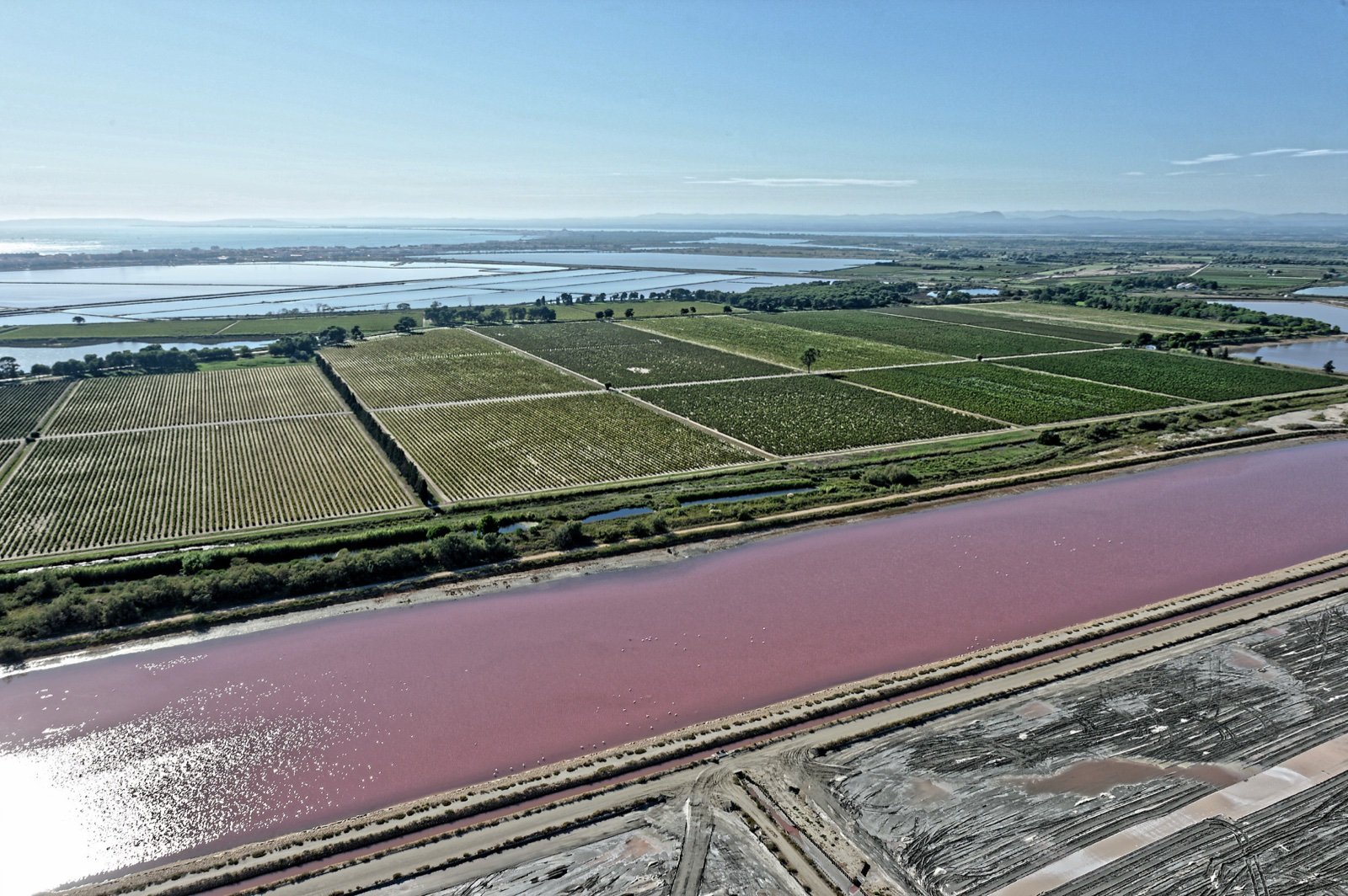
Parc naturel régional de Camargue
150,000 birds a year fly over lagoons, rice fields, bulls and horses.72 mi awayRegional nature park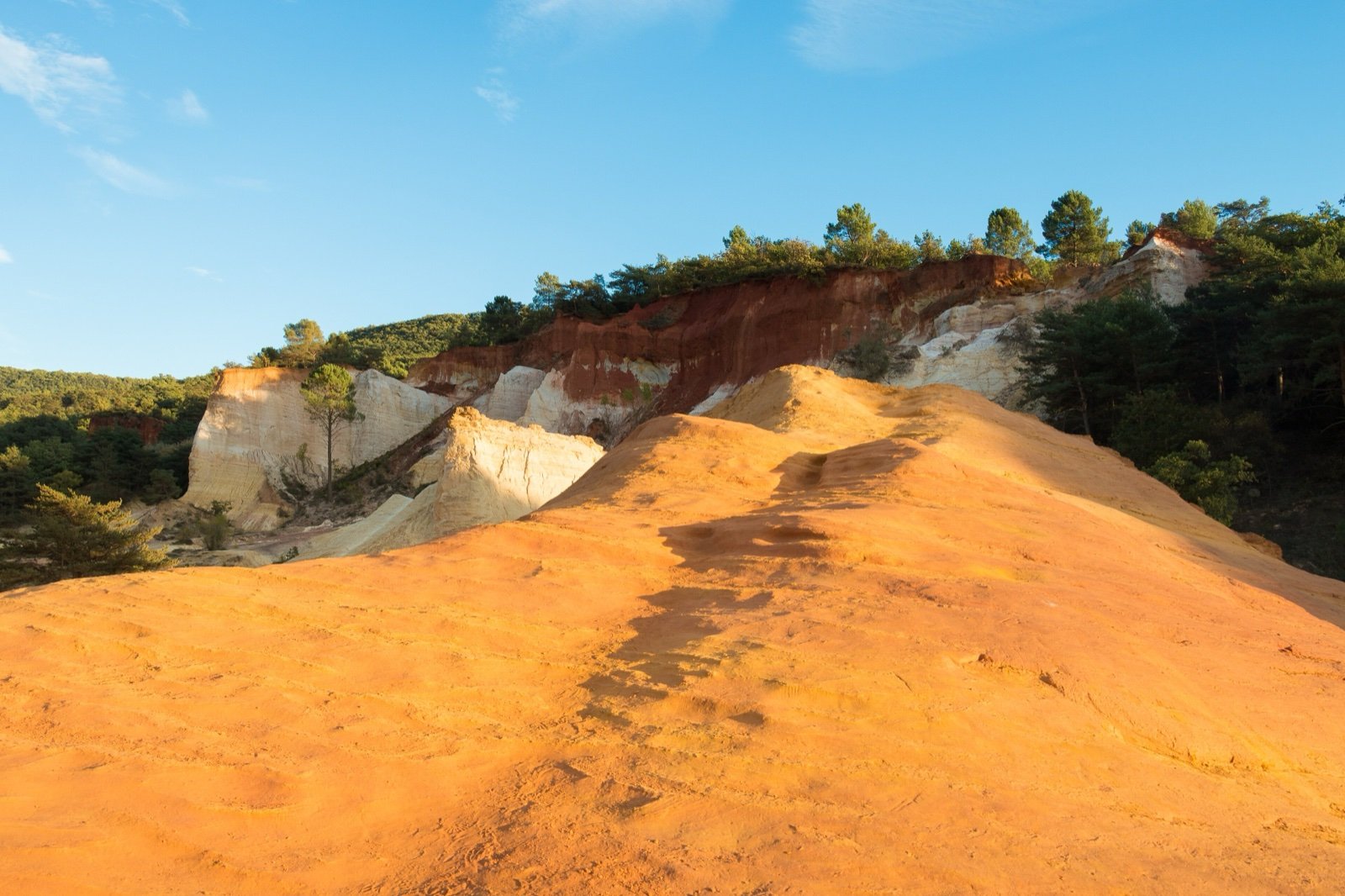
Luberon Regional Nature Park
28 fossil sites in a UNESCO Geopark of perched villages and ochre cliffs.102 mi awayRegional nature park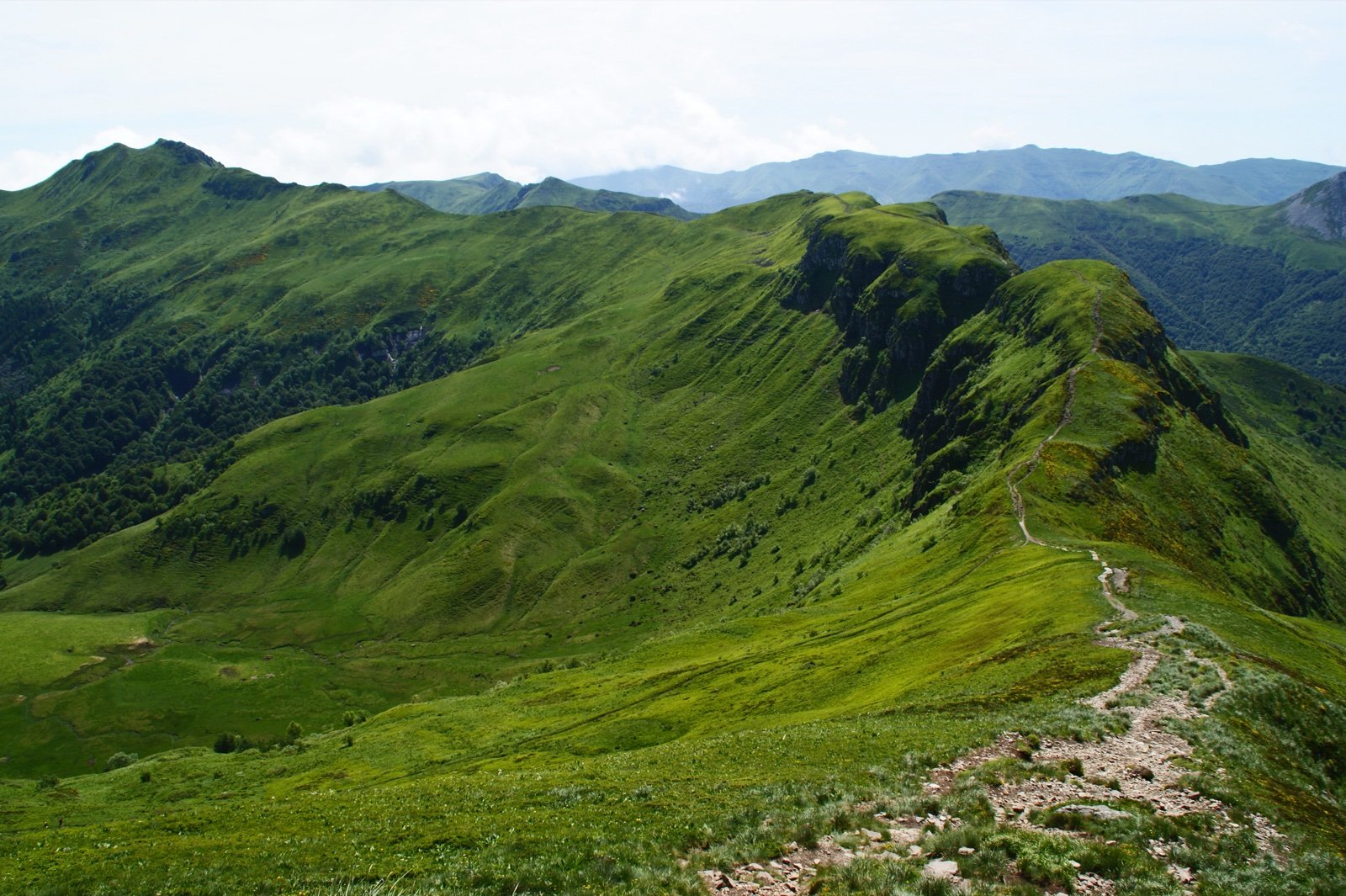
Parc naturel régional des Volcans d’Auvergne
50 mi across the Cantal, which the park calls Europe’s largest volcano.102 mi awayRegional nature parkSources
6 sources
- Esprit parc national (Parcs nationaux de France) consulted on October 7, 2026
- Parc national des Cévennes consulted on October 7, 2026
- Atout France (France.fr) consulted on October 7, 2026
- OpenStreetMap consulted on October 7, 2026
- Wikidata consulted on October 7, 2026
- Wikipedia consulted on October 7, 2026