
Camargue Regional Natural Park
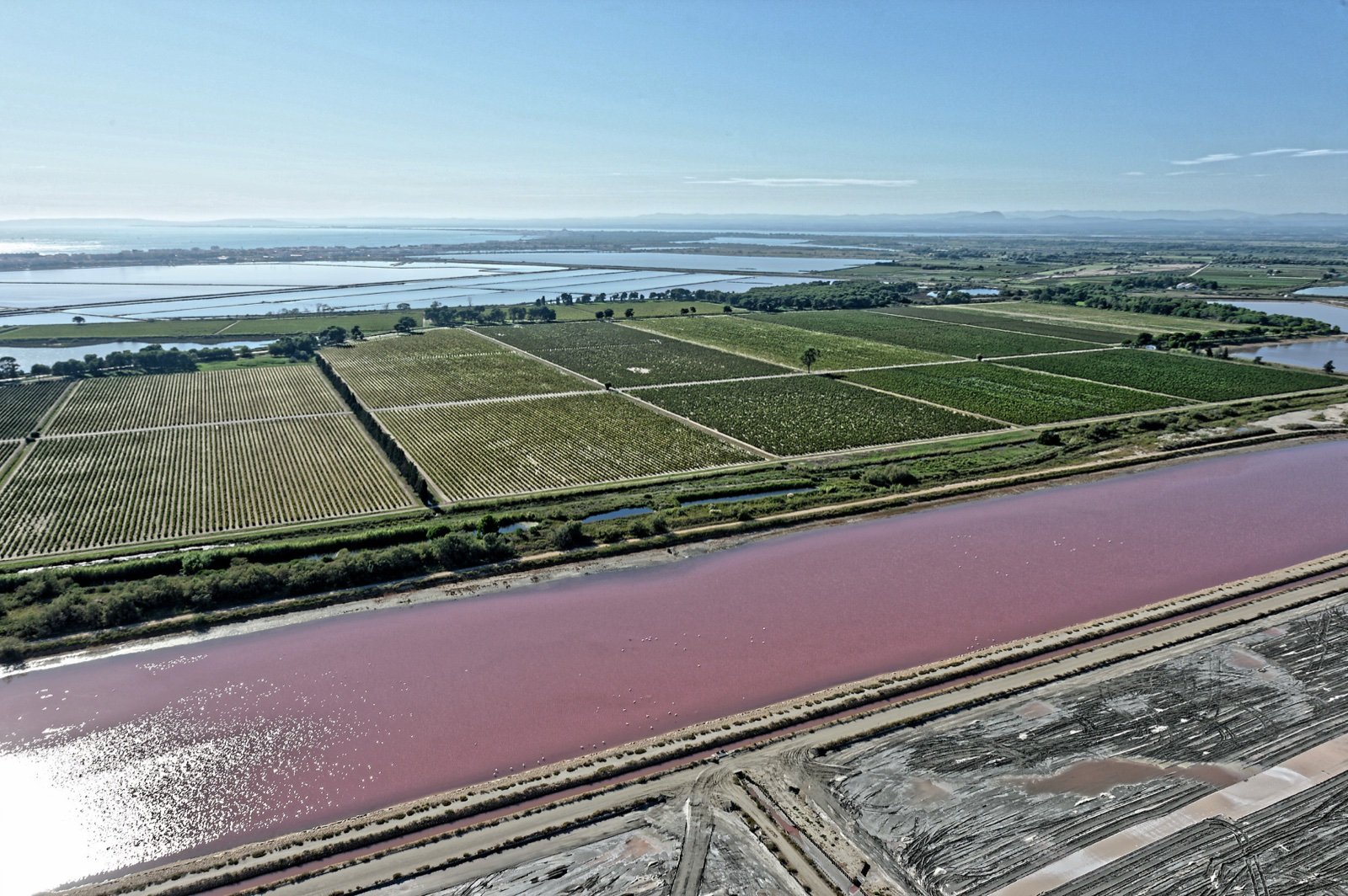
The Rhône delta between Arles and the sea, never more than 4 m high: lagoons around the Vaccarès, over 70 km of sand beaches, rice fields, bulls and horses, and 150,000 migrating birds a year.
- 390 mi²Area
- 13 ftElevation
- 1970Established
At a glance
- With the Rhône, the second-largest delta in the Mediterranean after the Nile
- More than 150,000 birds pass through each year, on the northern Europe to Africa flyway
- 1,010 km² on land plus 34,000 ha at sea, in the regional audit chamber’s 2024 report
- More than 70 km of fine-sand beaches from Port-Saint-Louis-du-Rhône to Saintes-Maries-de-la-Mer
- The delta’s highest point is 4 m above sea level; its lowest lies 1.5 m below
- A 13,232 ha national nature reserve around the Vaccarès, run by the SNPN since 1927
Where to stay
Hotels, guesthouses and rentals around Parc naturel régional de Camargue
Check availability with our partners
Affiliate links: if you book through them, we earn a commission. The price you pay does not change. How this site is funded
Port-Saint-Louis-du-RhôneClosest
17 mi as the crow flies
See hotels
Prices and access
| La Capelière (national nature reserve), Adult | €7 |
|---|
Source: Société nationale de protection de la nature
How the visit runs
Musée de la Camargue, mas du Pont de Rousty 10 km from Arles
In a former sheepfold on the road to Saintes-Maries-de-la-Mer, the park’s museum has been its gateway since 1978. The free landscape interpretation trail leaves from it: 4.8 km, 1 h 30, with Tadashi Kawamata’s work Horizons.
La Capelière, on the Vaccarès sentier des rainettes: 1.5 km
The information centre of the national reserve since 1979, in an old mas on the shore of the étang de Vaccarès. Its trail has four hides over the marshes and two platforms on the lagoon.
The sea dyke 20 km
The digue à la mer carries free footpaths and cycle paths from the Comtesse car park in the east or the Rousty car park in the west, past the Gachole lighthouse.
Domaine de la Palissade, near Salin-de-Giraud trails of 1.5, 3 and 7 km
Between Salin-de-Giraud and Piémanson beach, a Conservatoire du littoral estate managed by the park, with bird hides on its three trails, guided walks, and horse rides or kayaking on the Rhône by booking.
Beauduc
The Pointe de Beauduc is open for the day only, reached on foot, by bike or on horseback; cars narrower than 2.08 m take a track of several kilometres through the salt works to a compulsory car park near the beach.
Saintes-Maries-de-la-Mer and the bac du Sauvage
From the D85, the bac du Sauvage ferry crosses the Petit Rhône every 30 minutes, on the park’s route from Saintes-Maries towards Cacharel.
Where to walk in the delta, and with whom
| Site | Managed by | Walks | Dogs |
|---|---|---|---|
| Musée de la Camargue | The park | Landscape trail, 4.8 km | Not inside the museum |
| La Capelière | SNPN (national reserve) | Sentier des rainettes, 1.5 km | Not tolerated |
| Digue à la mer | SNPN (national reserve) | 20 km on foot or by bike | Allowed, not roaming |
| Domaine de la Palissade | The park, for the Conservatoire du littoral | 1.5, 3 and 7 km | Not on the trails |
| Salin de Badon | SNPN (national reserve) | Guided visit or gîte stay only | Banned, even on a lead |
Sources: Musée de la Camargue, SNPN practical information, Parc naturel régional de Camargue (read October 2026).
Bac du Sauvage crossing times on the Petit Rhône
| Season | Morning | Afternoon | Frequency |
|---|---|---|---|
| April to September | 7am to 12 noon | 1:30pm to 8pm | Every 30 min |
| October to March | 6:30am to 12 noon | 1:30pm to 7pm | Every 30 min |
Source: Saintes-Maries-de-la-Mer tourist office (year not published, read October 2026).
Before you go
- La Capelière (national reserve): €7, €4 reduced, free under 12 (price page read October 2026); Tuesday to Sunday, 9am to 1pm and 2pm to 6pm from 2 April to 30 September, to 5pm from 1 October to 1 April.
- Dogs: in the national reserve, only on the sea dyke or the beach and never roaming; not at La Capelière, at Salin de Badon or on the Palissade trails.
- Wind, sun and mosquitoes: the SNPN advises field shoes or boots on wet ground, insect repellent and binoculars.
- Drinking water: none outside the villages, warns the reserve.
- Fire: no smoking and no fires; from 1 June to 30 September the forest massifs of the Bouches-du-Rhône may close depending on fire risk.
- Beauduc: on the Pointe, camping and bivouac are banned, fires not tolerated and dogs kept on a lead (prefectoral order of 30 September 2013); quads and dirt bikes are forbidden by a municipal order of Arles.
- Drones: the park asks pilots to check the no-fly and restriction zones on Géoportail.
- Groups of more than 10: tell La Capelière at least 15 days ahead.
- Motorhomes: parking at the museum is free, but sleeping there is forbidden.
What is allowed
| Topic | Rule | Source |
|---|---|---|
| Fires | Restricted | Parc naturel régional de Camargue |
| Dogs | Restricted | Société nationale de protection de la nature |
| Drones | Restricted | Parc naturel régional de Camargue |
| Motor vehicles | Restricted | Parc naturel régional de Camargue |
| Picking plants | Restricted | Parc naturel régional de Camargue |
Rules checked with the site manager on October 16, 2026. They can change at short notice: check before you go.
How to get there
Parc naturel régional de CamargueGateway towns
- Marseille Provence Airportabout 1 h 30Camargue Regional Natural Park
To Saintes-Maries-de-la-Mer, according to its tourist office.
- Montpellier Airportabout 45 minCamargue Regional Natural Park
To Saintes-Maries-de-la-Mer; from Aigues-Mortes take the D58, then the D38.
- Arles10 kmCamargue Regional Natural Park
To the Musée de la Camargue on the road to Saintes-Maries-de-la-Mer, reached by the D570 or the D85a; the A50 bus runs from Arles station to Saintes-Maries.
The Rhône travels 505 mi from its glacier in Switzerland before splitting into the Grand Rhône and the Petit Rhône. Between the two arms it builds, with the Camargue, the second-largest delta in the Mediterranean after the Nile, about 579 mi² according to the park.
Lagoons, lighthouses and a shifting shore
The delta is almost flat. At its centre lies the étang de Vaccarès, the largest lagoon of the Camargue, and the park counts 47 mi of coastline, against 45 mi in the regional audit chamber’s report.
- Three lighthouses mark the coast; the first, Faraman, dates from 1835.
- The Gachole lighthouse, built in 1882 and automated in 1967, has a volunteer-run welcome point at weekends, on public holidays and in school holidays, 11am to 5pm.
- The park covers all of Saintes-Maries-de-la-Mer and part of Arles and Port-Saint-Louis-du-Rhône, with close to 10,000 inhabitants, about 10 per km².
A stopover between Europe and Africa
The flamingo is the emblem of the Camargue, and the delta is a relay on the migration route between northern Europe and Africa. Its heart is the Réserve naturelle nationale de Camargue, under integral protection, on the communes of Arles and Saintes-Maries-de-la-Mer.
- 1927: the Société nationale de protection de la nature (SNPN) starts managing the reserve.
- 1929: the royal salt pan of Salin de Badon joins it.
- 24 April 1975: an order makes it a national nature reserve.
- 1979: La Capelière becomes its information centre; the exhibition space was renewed in 2023.
- 66% of the reserve’s habitats are of priority interest.
- 114,000 ha of the Camargue gardoise and the Île de Camargue are listed under the Ramsar convention.
- The park is a UNESCO biosphere reserve.
These rules belong to the reserve, not to the whole park: only walking and cycling are allowed, on the sea dyke, the reserve’s beach outside the dunes and the visitor sites.
Rice, bulls and Camargue horses
Rice growing and the breeding of bulls and Camargue horses are the traditional trades of the delta. The park that frames them is one of the oldest in France.
- 14 May 1970: the founding charter is approved.
- 25 September 1970: a decree creates the park, the first regional natural park of the Région Sud and the third in France.
- 1 January 2005: an enlarged open syndicat mixte takes over its management.
- 2011: the latest classification, for 12 years, extended to 2026.
- Since late 2022: the charter revision studies a 2026-2041 perimeter of about 141,821 ha, adding some 40,383 ha of sea out to 3 nautical miles and 417 ha of the marais des Chanoines.
The regional audit chamber describes it as the only coastal natural park of Provence-Alpes-Côte d’Azur.
By bike, on foot and by ferry
The park’s routes link villages, salt works and river banks. It asks visitors not to open wild tracks, to stay on paths, to park in car parks, to leave birds undisturbed and to take no plants; vehicles are forbidden off roads open to public traffic.
- Saintes-Maries-de-la-Mer to the bac du Sauvage and Cacharel.
- The draille des Cinq Gorges and Salin-de-Giraud.
- The banks of the Rhône down to Port-Saint-Louis-du-Rhône.
- From the pont Van-Gogh to the Marais du Vigueirat, on the ViaRhôna.
Frequently asked questions
How do you get to the Camargue without a car?
By train to Arles, then bus A50 (€1.20) to Saintes-Maries-de-la-Mer. The tourist office refers to the operator, Envia, for timetables.
How far is the Camargue from Marseille airport?
About 1 h 30 by car to Saintes-Maries-de-la-Mer, according to its tourist office. Montpellier airport is 45 minutes away.
Are dogs allowed in the Camargue nature reserve?
Only on the sea dyke and the beach, provided they do not roam. They are not tolerated at La Capelière, and at Salin de Badon they are banned even on a lead.
When is the Musée de la Camargue open in 2026?
Every day from 9am to 6pm from April to September, and from 10am to 5pm in October. In November, December, January and March it opens Monday to Friday, 10am to 5pm.
How big is the Camargue regional park?
101,000 ha on land and 34,000 ha at sea, according to the 2024 report of the regional audit chamber. The park itself says more than 100,000 ha.
Can you stay overnight in the Camargue reserve?
Yes, at the gîte of Salin de Badon: 20 beds in 7 rooms, at €22 a night (€14 for SNPN members, price page read October 2026). It opens only to guests and guided visits.
Other protected areas nearby
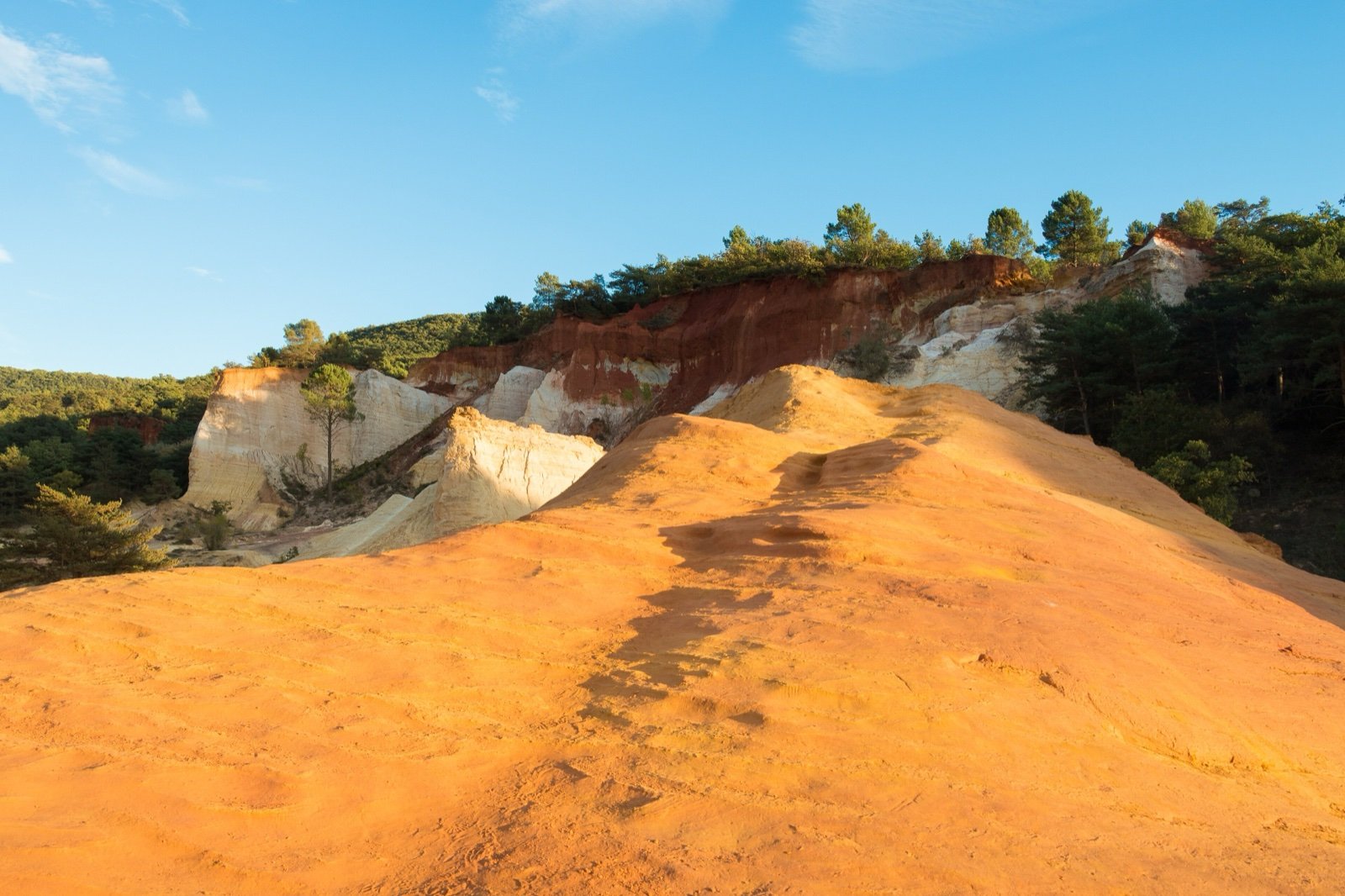
Luberon Regional Nature Park
28 fossil sites in a UNESCO Geopark of perched villages and ochre cliffs.47 mi awayRegional nature park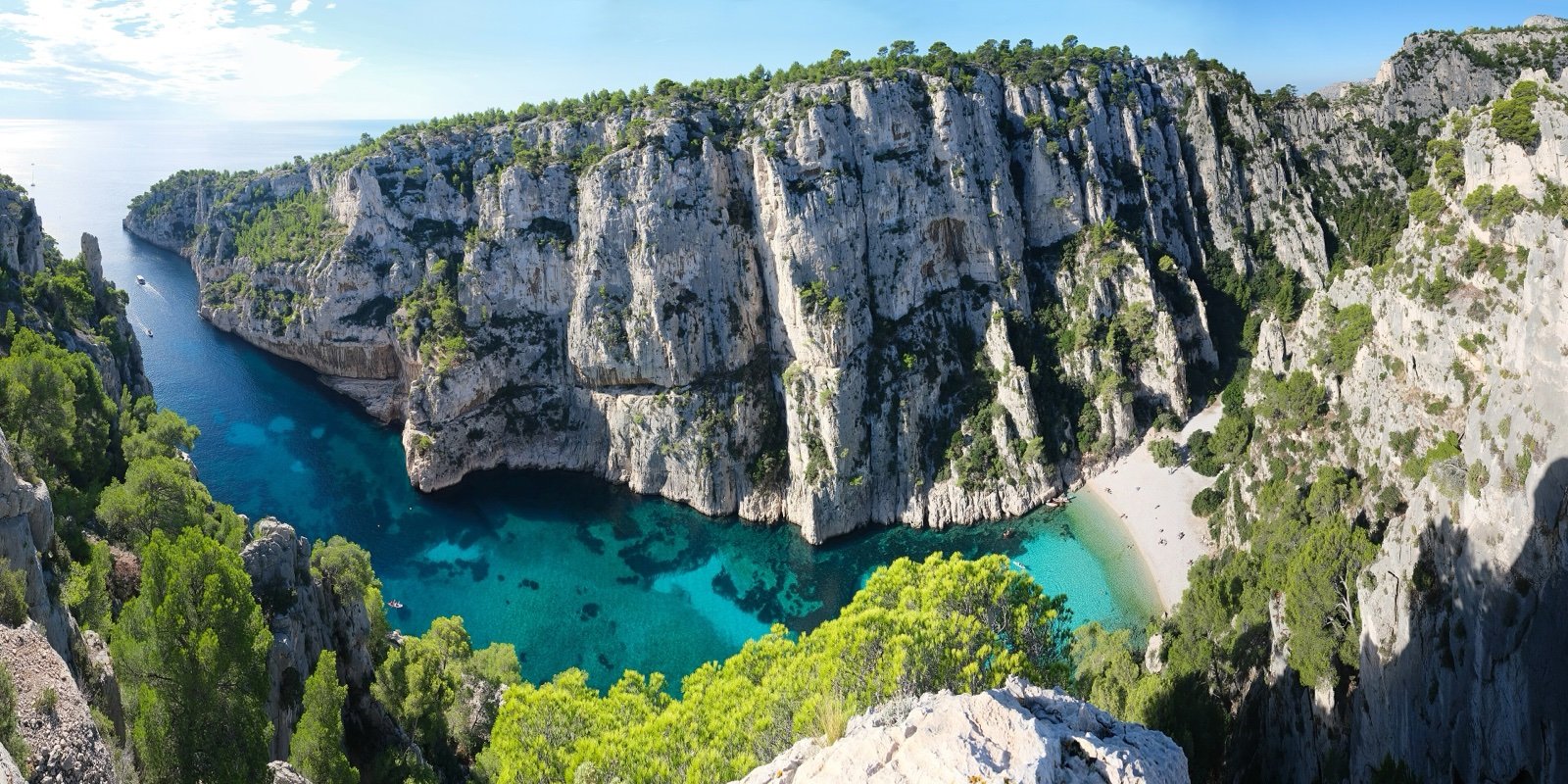
Calanques National Park
White limestone coves between Marseille and Cassis, reached on foot.51 mi awayNational park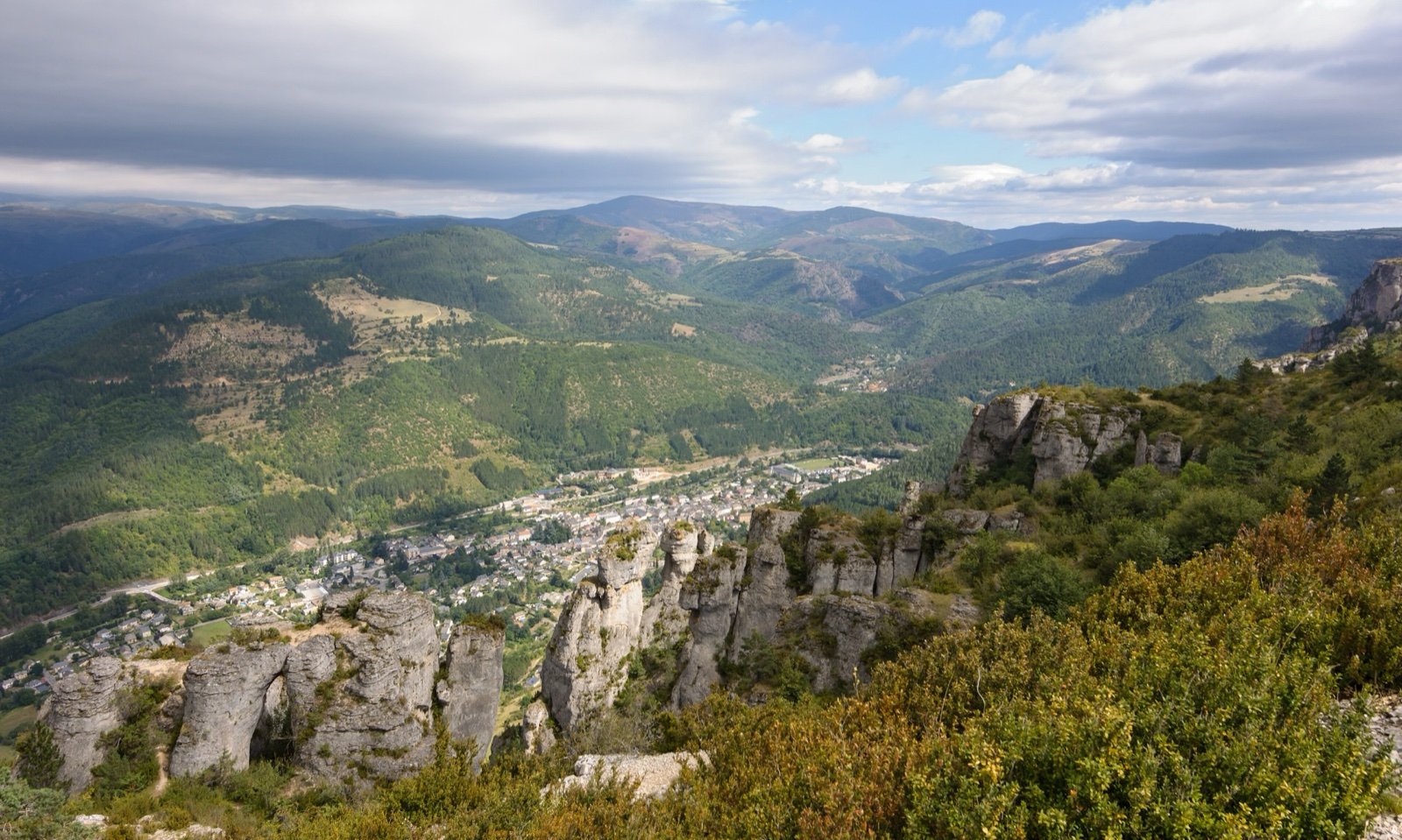
Cévennes National Park
Starry skies shine over Europe’s largest dark sky reserve, since 2018.72 mi awayNational parkSources
10 sources
- Musée de la Camargue consulted on October 16, 2026
- PNR de Camargue consulted on October 16, 2026
- Parc naturel régional de Camargue consulted on October 16, 2026
- Société nationale de protection de la nature consulted on October 16, 2026
- Fédération des Parcs naturels régionaux de France consulted on October 16, 2026
- OpenStreetMap consulted on October 16, 2026
- Wikidata consulted on October 16, 2026
- Wikipedia (de) consulted on October 16, 2026
- Wikipedia (en) consulted on October 16, 2026
- Wikipedia (fr) consulted on October 16, 2026