
Vanoise National Park
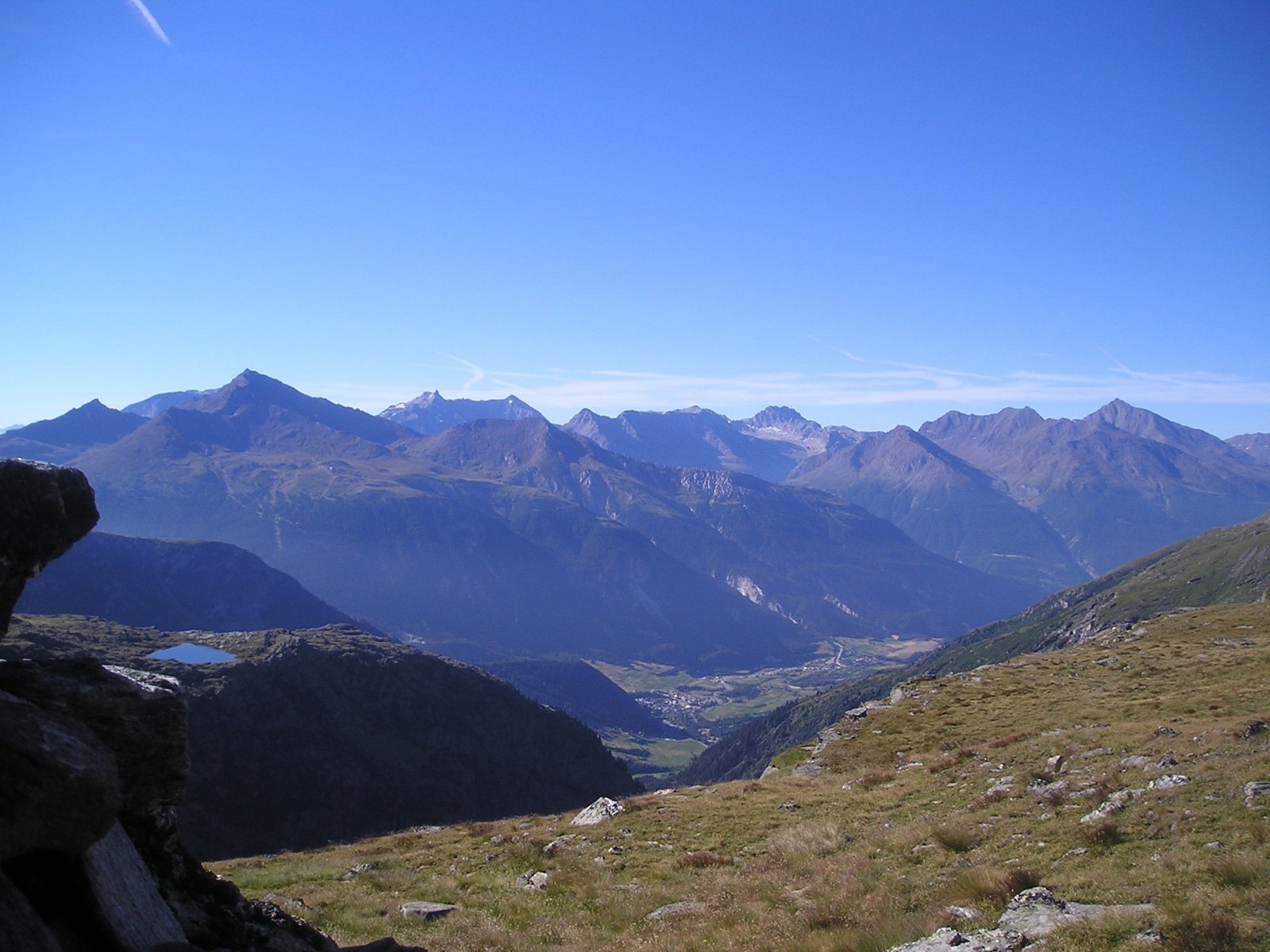
France’s first national park, created in 1963 to save the Alpine ibex: a glaciated massif between Maurienne and Tarentaise, crossed by around 400 km of waymarked paths, with a refuge every three hours’ walk.
- 206 mi²Area
- 4,199 ft to 12,648 ftElevation
- 1963Established
At a glance
- France’s first national park, created by decree on 6 July 1963
- Twinned with Italy’s Gran Paradiso since 1972: 1,250 km² protected together along a 14 km shared border
- From 1,280 m to 3,855 m at the Grande Casse, the highest point of the core
- 1,700 species of vascular plants, a third of France’s flora on less than 0.5% of the country’s territory
- Most trails passable from about 1 June to 30 October, with a risk of late or early snow
- Dogs are banned in the core, even on a lead, under a €135 fine
Where to stay
Hotels, guesthouses and rentals around Vanoise National Park
Check availability with our partners
Affiliate links: if you book through them, we earn a commission. The price you pay does not change. How this site is funded
Mountain huts
- Refuge de l'Arpont
- Refuge de l'Orgère
- Refuge de la Femma
- Refuge de la Leisse8,159 ft
- Refuge de la Martin
- Refuge de la Valette
- Refuge de Plaisance
- Refuge de Plan du Lac
- Refuge de Prariond
- Refuge de Rosuel
- Refuge de Turia
- Refuge de Vallonbrun
- Refuge du Bois
- Refuge du Col de la Vanoise
- Refuge du Col du Palet
- Refuge du Cuchet
- Refuge du Fond des Fours
Nearby villages and towns
ModaneClosest
12 mi as the crow flies
See hotelsMoûtiers
18 mi as the crow flies
See hotelsBourg-Saint-Maurice
20 mi as the crow flies
See hotels
How the visit runs
Bourg-Saint-Maurice and the Haute Tarentaise
The northern gateway by train. Shuttles run from Bourg-Saint-Maurice to Val Claret in Tignes and to the Pont Saint-Charles in Val d’Isère, and bus lines S82 and S83 serve both resorts all year, seven days a week. Another shuttle links Landry with the Rosuel valley.
Moûtiers, Pralognan and Champagny
Moûtiers station opens the Bozel and Belleville valleys. Shuttles climb to Pralognan-la-Vanoise (Prioux or Fontanettes) and to Champagny-le-Haut.
Modane and the Haute Maurienne
The southern side of the park is reached by train at Modane, the station for the Haute Maurienne.
The Tour des Glaciers de la Vanoise
The park’s reception staff report strong interest in multi-day hiking and trail running, notably for this circuit. The refuge network gives shelter about every three hours of walking, and the GR5 and the Via Alpina offer longer north to south crossings.
Train stations and shuttles into the Vanoise
| Starting point | Area served | Onward |
|---|---|---|
| Bourg-Saint-Maurice station | Haute Tarentaise | Shuttles to Val Claret (Tignes) and the Pont Saint-Charles (Val d’Isère); bus lines S82 and S83 to both resorts all year, seven days a week |
| Landry | Rosuel valley | Shuttle |
| Moûtiers station | Bozel and Belleville valleys | Shuttles to Pralognan-la-Vanoise (Prioux or Fontanettes) and Champagny-le-Haut |
| Modane station | Haute Maurienne | In summer, buses to the Orgère valley (Villarodin-Bourget), the Bellecombe car park (Val Cenis-Termignon), the Pont de l’Oulietta and L’Écot (Bonneval-sur-Arc) |
Source: Parc national de la Vanoise, access page (read October 2026).
Where dogs may go
| Area | Dogs |
|---|---|
| Core of the park | Banned, even on a lead (€135 fine); herding and assistance dogs excepted |
| Path running along the edge of the core | Accepted on a lead |
| Grande Sassière reserve | On a lead |
| Plan de Tuéda reserve | On a lead, on the Tuéda plateau between the Méribel-Mottaret car park and the Plan refuge |
| Tignes-Champagny and Bailletaz reserves | Banned, even carried |
Source: Parc national de la Vanoise, dogs page (read October 2026).
Before you go
- Bivouac: only in summer, right beside certain refuges while they are staffed, and booked with the warden. Tents go up at 7pm and come down at 8am every morning, even on a multi-day trip.
- Bivouac fee: it is paid, and covers the refuge toilets and self-catering room (gas, cooking gear, drinking water). The Col de la Vanoise and Péclet-Polset refuges take no bivouac.
- Tents: only light tents you cannot stand up in. A tent pitched outside the bivouac area risks a €68 fine.
- Fire is forbidden in the core; portable stoves are allowed at the bivouac.
- Dogs: on a path that runs along the edge of the core, a dog on a lead is accepted. Rando Vanoise lists more than 130 dog-friendly walks and bike rides outside the core.
- Drones and other flying gear (model aircraft, paragliders, base jumping, speed riding, kites) are banned in the core, with a €135 fixed fine; the park sets zones and periods where non-motorised flying below 1,000 m is allowed.
- Pacing: a walker at a moderate pace climbs about 300 m an hour and descends 500 m; height gain matters more than distance.
- Mountain lakes: swimming is not banned unless a local notice or order says so, but the park strongly discourages it (drowning, thermal shock, untested water). Paddleboards and canoes can pollute the water and disturb breeding.
- Shuttles: in summer 2026, full or too few shuttles were among the main difficulties some visitors met, along with the dog restrictions and organising bivouac on a multi-day trek. Visits to the information points peaked on Sundays between 20 July and 15 August.
What is allowed
| Topic | Rule | Source |
|---|---|---|
| Wild camping (bivouac) | Booking required | Parc national de la Vanoise |
| Camping | Not allowed | Parc national de la Vanoise |
| Fires | Not allowed | Parc national de la Vanoise |
| Dogs | Not allowed | Parc national de la Vanoise |
| Drones | Not allowed | Parc national de la Vanoise |
| Swimming | Allowed | Parc national de la Vanoise |
| Cycling | Restricted | Parc national de la Vanoise |
| Motor vehicles | Not allowed | Parc national de la Vanoise |
| Picking plants | Not allowed | Parc national de la Vanoise |
| Fishing | Restricted | Parc national de la Vanoise |
| Hunting | Not allowed | Parc national de la Vanoise |
Rules checked with the site manager on October 7, 2026. They can change at short notice: check before you go.
When to go
- Busiest period July to August
How to get there
Vanoise National ParkPlaces to stay in the parkGateway towns
The Vanoise owes its national park to the Alpine ibex. As the animal gradually vanished from the massif, a protected area was drawn up on the model of Italy’s Gran Paradiso, and the decree of 6 July 1963 made it the first national park in France, a few months ahead of Port-Cros. It lies in the east of Savoie, between the upper valleys of the Maurienne and the Tarentaise.
A law of 2006 redrew the map: the park now has a core, where the protection rules apply, and an area of adhesion bound by a charter signed with local stakeholders. Outside the core, the decree adds no extra environmental rules. The park covers 25 communes, 17 of them with land in the core.
Gypsum, quartzite and gneiss under the glaciers
The mountains here rise above 9,843 ft and still carry many glaciers, yet the massif is rather dry and sunny. The park counts 33 natural habitats, and its rocks are varied:
- Limestone, gypsum and sandstone.
- Quartzite and schist.
- Mica schist and gneiss.
Four nature reserves on the edge of the core
The park also runs four national nature reserves that touch the core. Together they add a little over 5,100 hectares of protected ground, each with its own rules:
- The Grande Sassière.
- The Plan de Tuéda.
- Tignes-Champagny.
- The Bailletaz.
Ibex, golden eagles and an arctic-alpine flora
Red deer, roe deer, chamois, ibex, marmot, mountain hare and stoat share the park with a long list of birds and plants. The park’s key figures:
- 125 nesting bird species, among them the golden eagle, the black grouse and the rock ptarmigan.
- 325 vertebrate species, 65% of those found in mainland France, and 92% of them are protected.
- More than 2,860 plant species and nearly 1,000 species of fungi.
- The largest group of arctic-alpine plants in France.
Refuges, the GR5 and the Via Alpina
Nights out are organised around the huts, and the paths start from the villages. The network in figures:
- Around 249 mi of waymarked paths start from the villages and ski resorts.
- Two long-distance routes, the GR5 and the Via Alpina, cross the massif from north to south.
- The Rando Vanoise website describes about sixty walks in the core and more than 250 across the whole territory.
- The park’s key figures count 40 refuges in the core.
In summer 2026 the park’s information points welcomed about 40,000 people, a little more than in 2025.
Frequently asked questions
Is there an entrance fee for Vanoise National Park?
No. The core is open access, with no entrance fee and no opening hours.
Can you wild camp in Vanoise National Park?
Only in set places. Camping is forbidden in the core, and bivouac is allowed only in summer next to certain staffed refuges, booked with the warden, between 7pm and 8am.
Are dogs allowed in Vanoise National Park?
No, not in the core, even on a lead: the fine is €135. Herding dogs and assistance dogs are the exceptions. In the nature reserves, dogs are allowed on a lead only at the Grande Sassière and, at the Plan de Tuéda, on the Tuéda plateau between the Méribel-Mottaret car park and the Plan refuge; they are banned at Tignes-Champagny and the Bailletaz, even carried.
When is the best time to hike in the Vanoise?
The park says most trails are passable from 1 June to about 30 October, with a risk of late or early snow. Check with the park’s information points or a tourist office before setting out.
How do you get to Vanoise National Park by train?
Through three stations: Bourg-Saint-Maurice for the Haute Tarentaise, Moûtiers for the Bozel and Belleville valleys, and Modane for the Haute Maurienne. Shuttles continue to the trailheads.
Can you fly a drone in Vanoise National Park?
No. Using a drone or other flying device in the core is an offence carrying a €135 fixed fine. Drones fall under the general ban on flying below 1,000 m above the ground, unless the park’s director authorises it (scientific research, approved works).
Can you mountain bike in Vanoise National Park?
Only on certain tracks: elsewhere in the core, cycling is forbidden. Motor vehicles are banned too, except on certain tracks with a named permit.
Other protected areas nearby
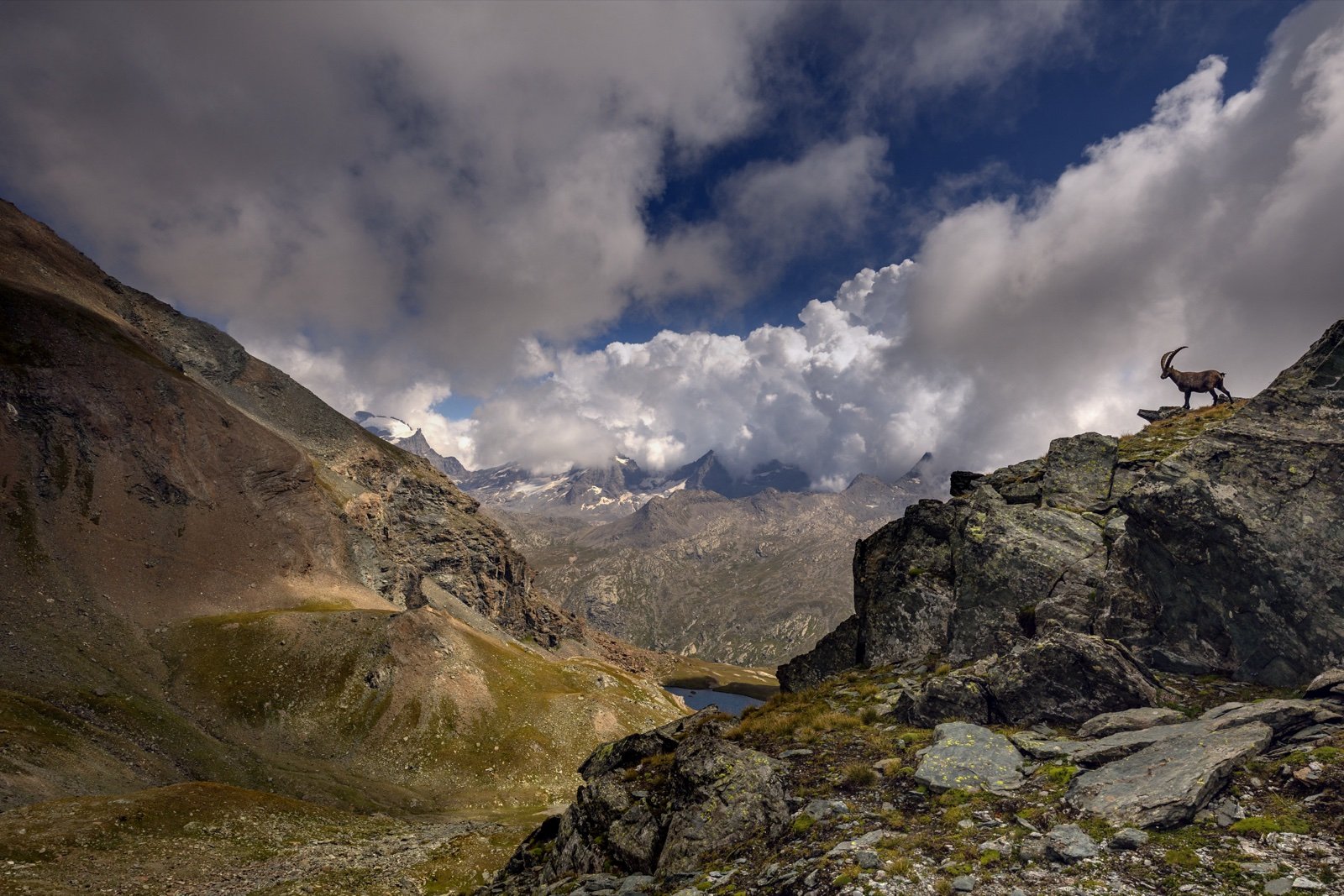
Gran Paradiso National Park
1922: Italy’s first national park, born to save the ibex.26 mi awayNational park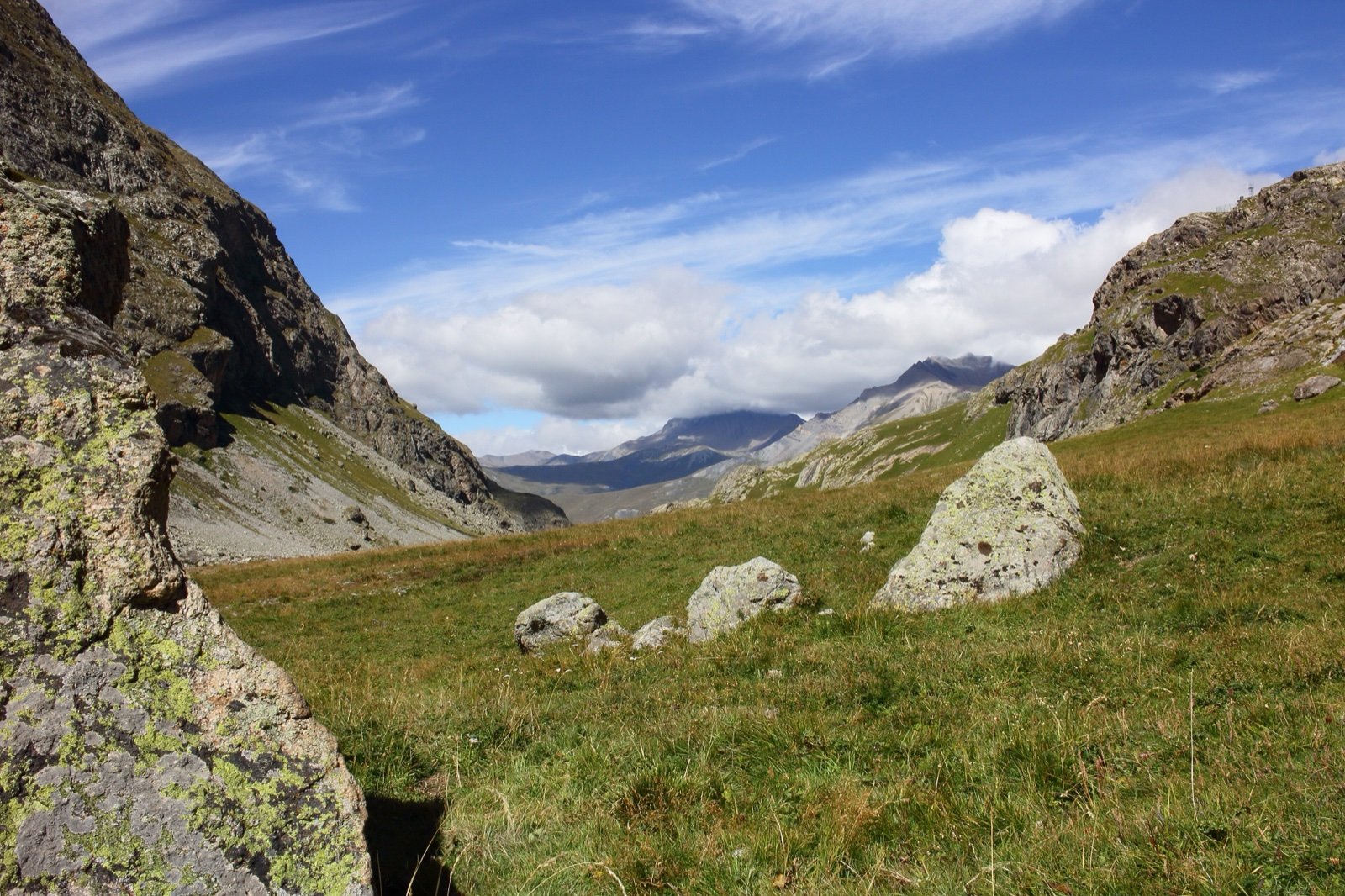
Écrins National Park
150 summits above 9,843 ft, crowned by the 13,458 ft Barre des Écrins.43 mi awayNational park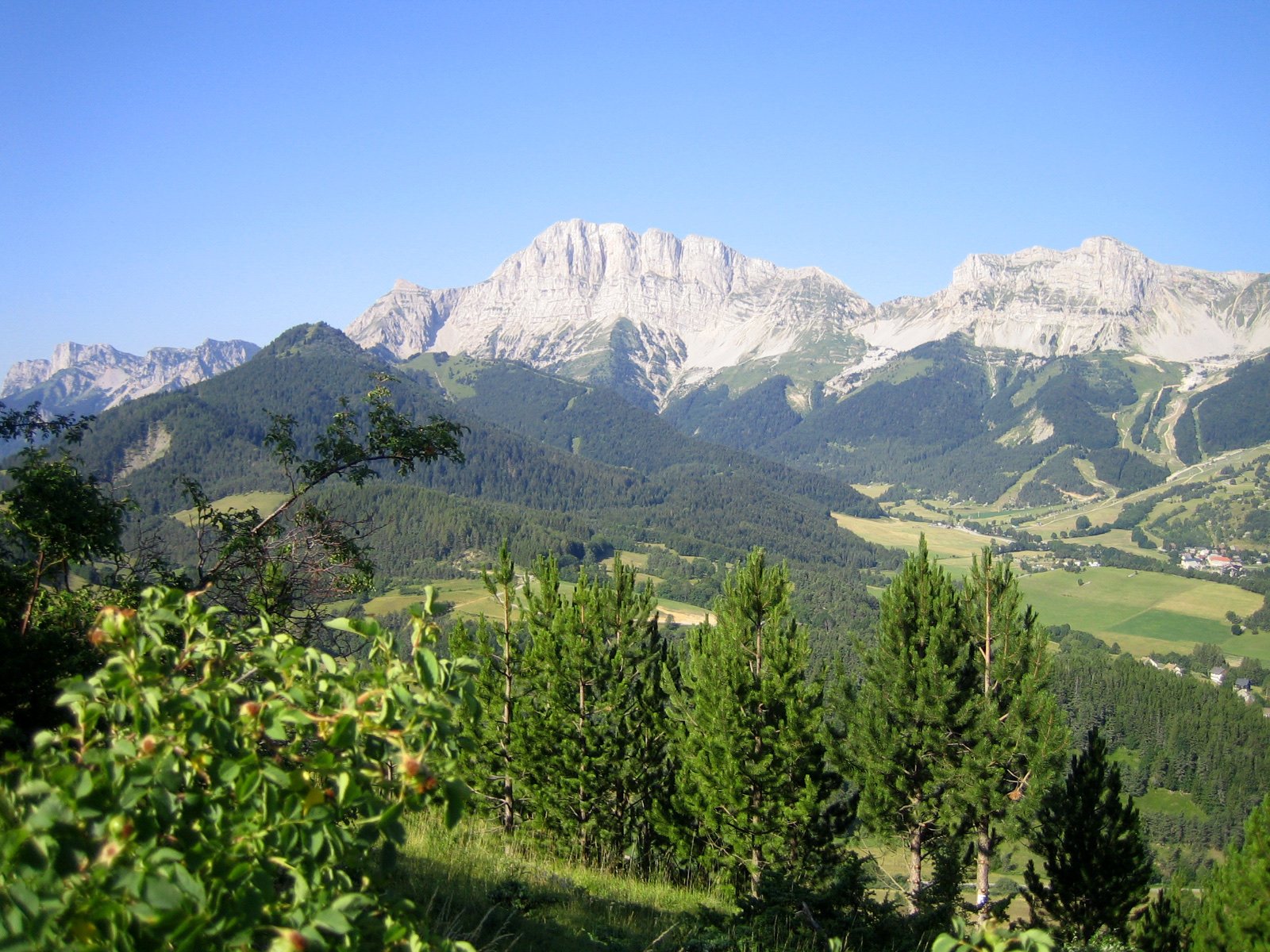
Vercors Regional Natural Park
4 vultures, every species seen in France, soar above the high plateaus.74 mi awayRegional nature parkSources
9 sources
- Esprit parc national (Parcs nationaux de France) consulted on October 7, 2026
- Parc national de la Vanoise consulted on October 7, 2026
- Atout France (France.fr) consulted on October 7, 2026
- OpenStreetMap consulted on October 7, 2026
- Wikidata consulted on October 7, 2026
- Wikipedia (de) consulted on October 7, 2026
- Wikipedia (en) consulted on October 7, 2026
- Wikipedia (es) consulted on October 7, 2026
- Wikipedia (fr) consulted on October 7, 2026